Last updated November 22, 2026
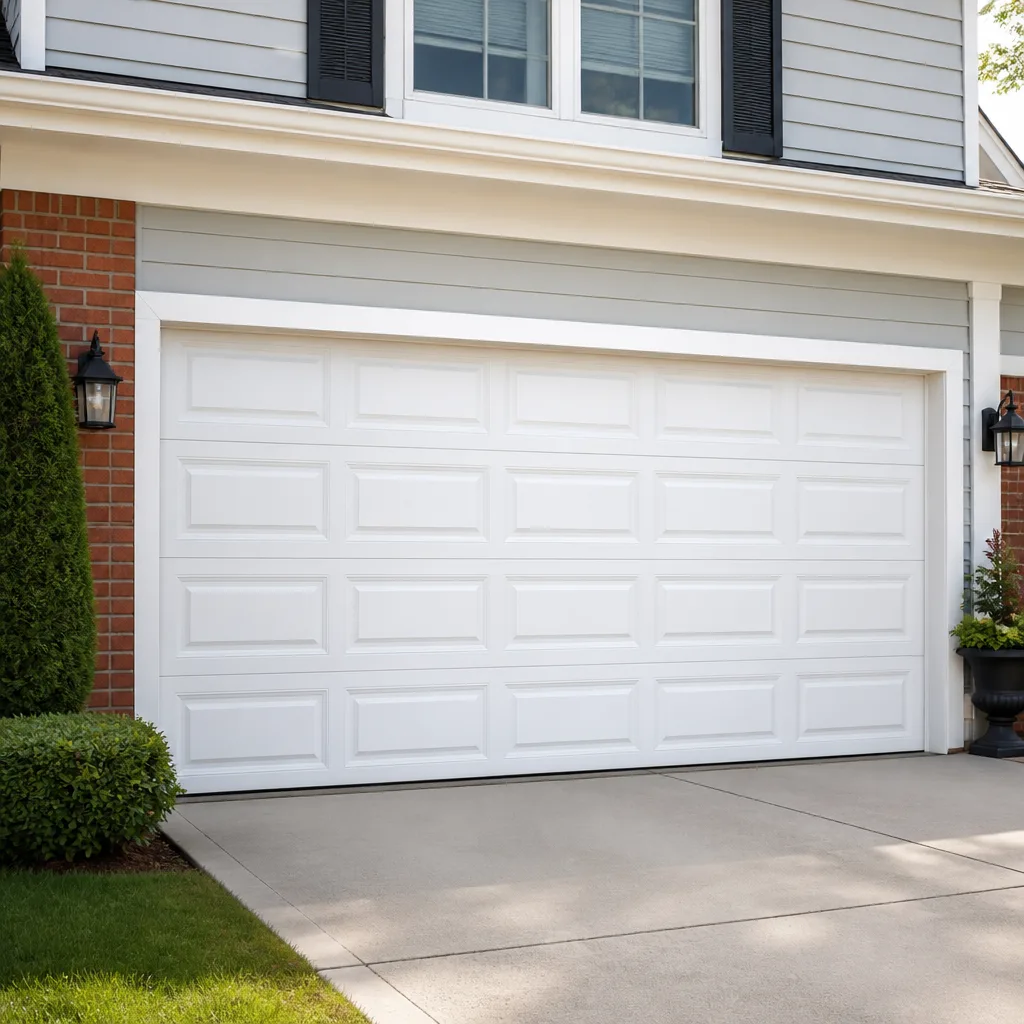 Raised-panel steel
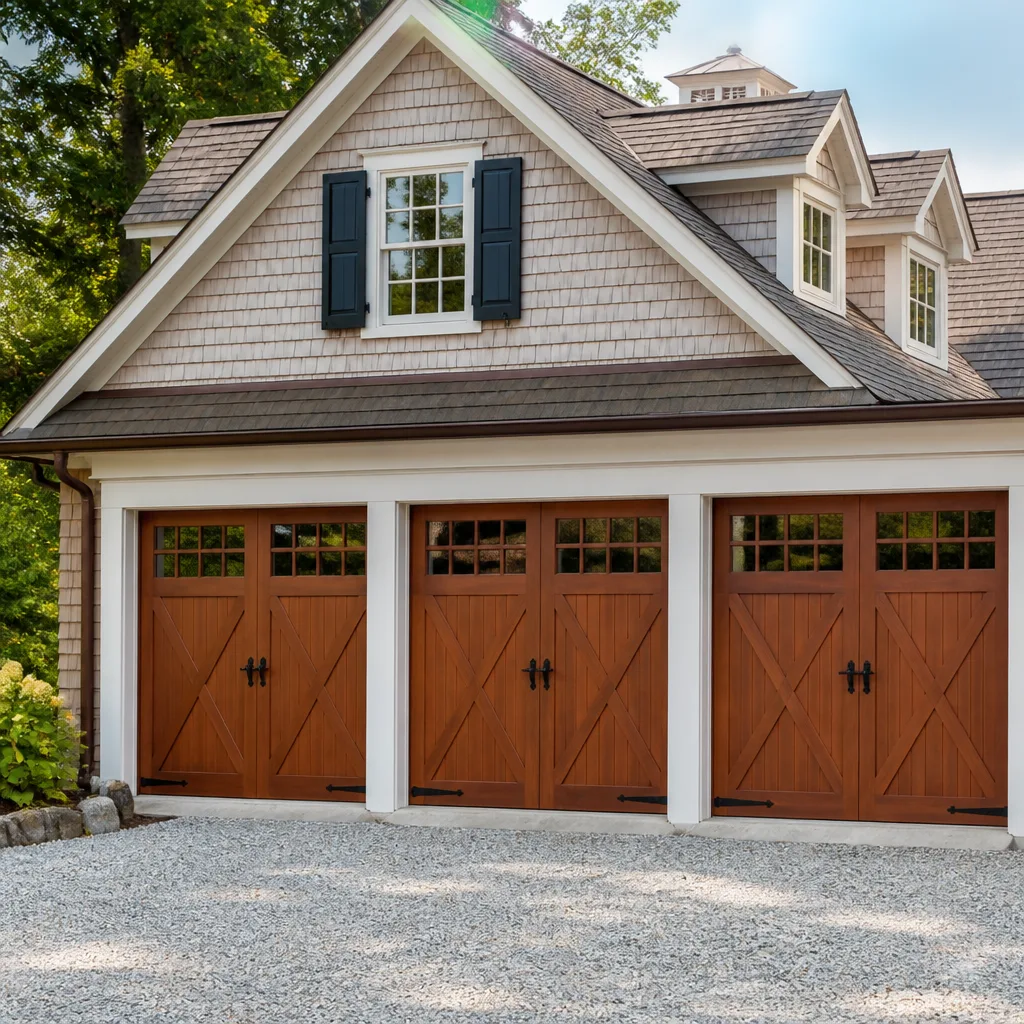 Carriage house
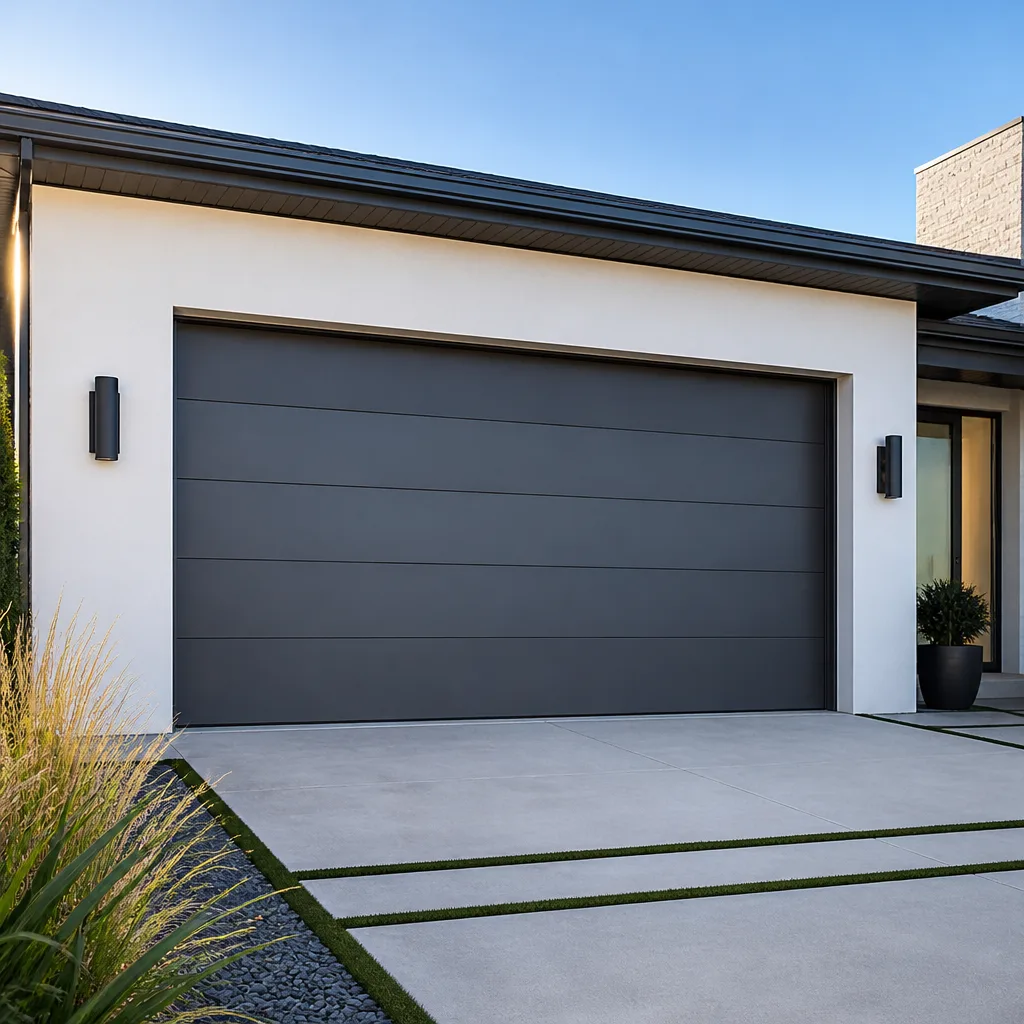 Modern flush
 Full-view glass
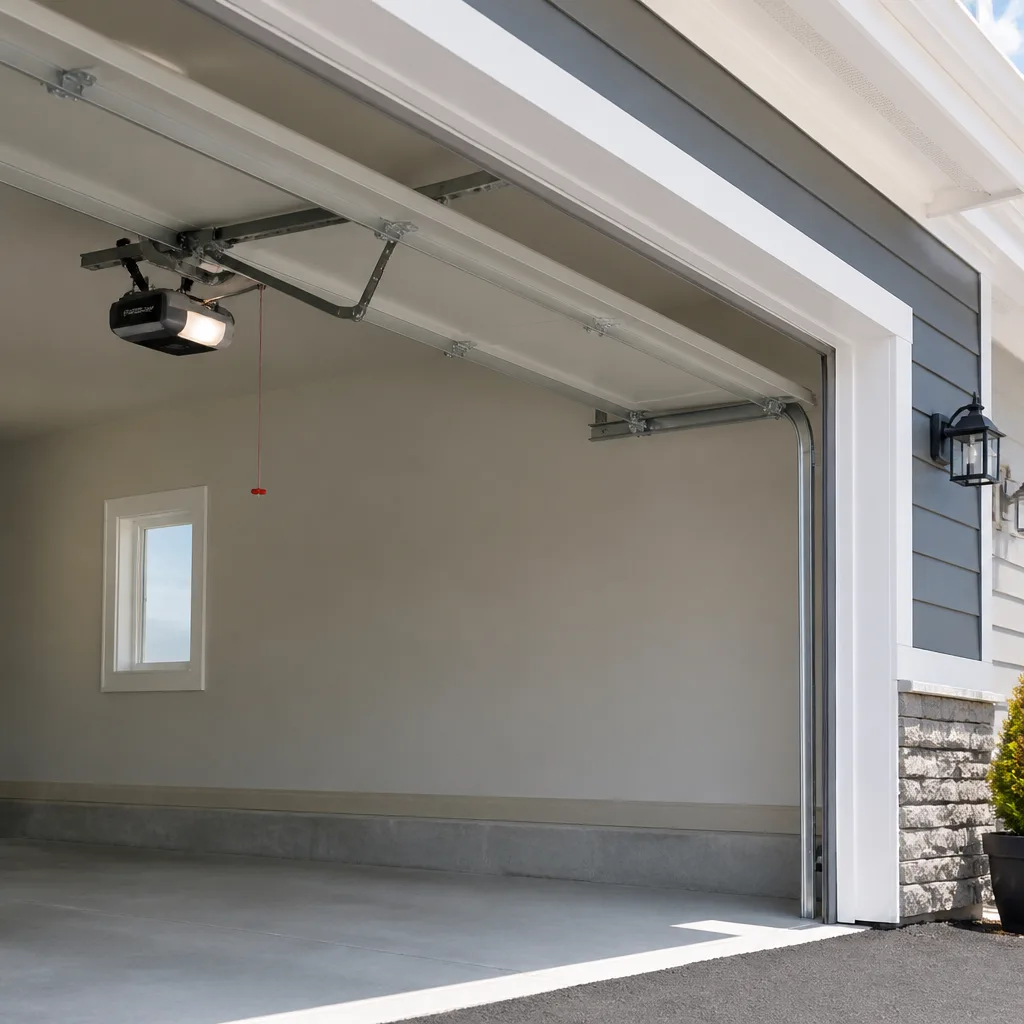 LiftMaster openers
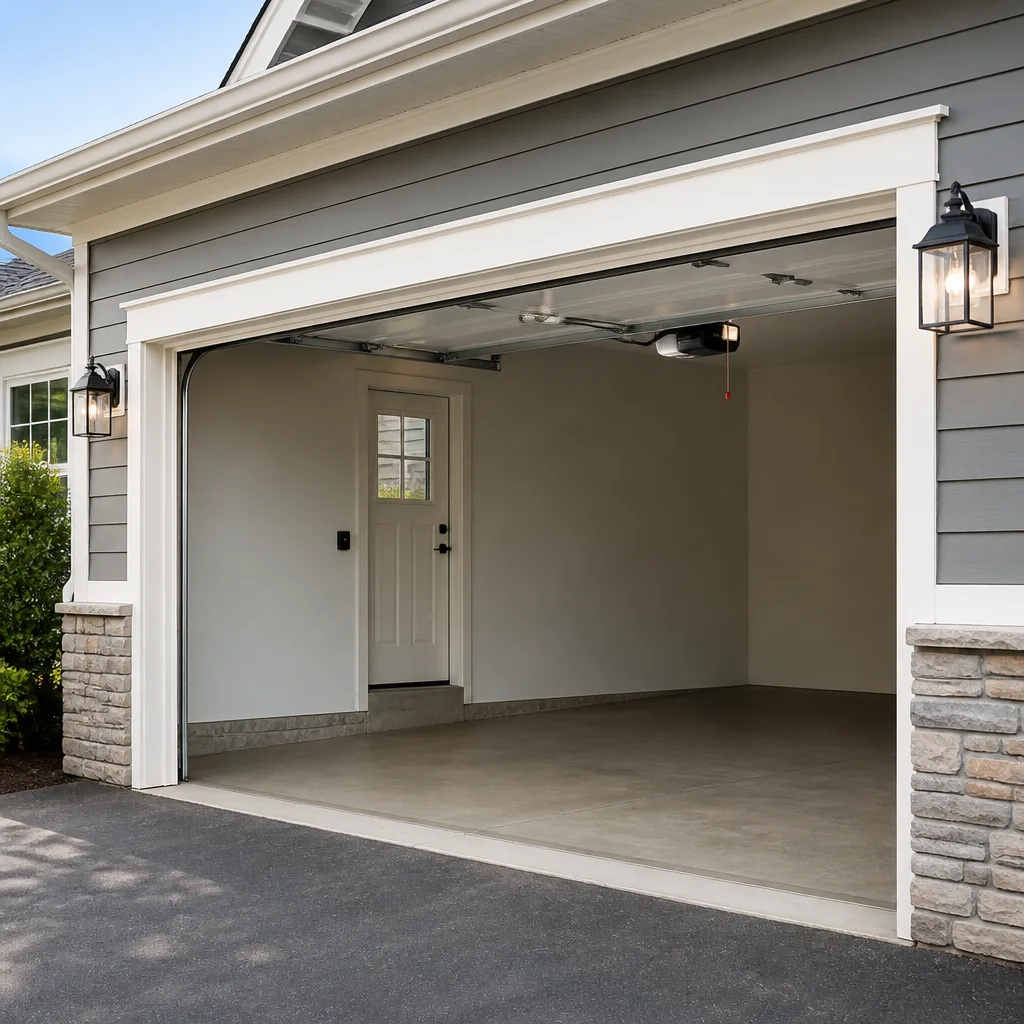 Chamberlain openers
Full 25-point door and opener safety check with every visit - springs, cables, rollers, tracks, and your LiftMaster or Chamberlain opener included
You get a price before we start. It does not change when the pro arrives.
Get your free estimateGarage Door Repair Maintenance Checklist for Lake Worth Beach Homeowners
Most garage door maintenance advice you’ll find online was written for a climate that doesn’t exist here. It tells you to lubricate twice a year, listen for squeaks, and call it done. What it never mentions is the slow damage caused by warm, humid air that condenses on cold steel overnight, month after month, inside a closed garage. In Lake Worth Beach, that condensation is the quiet reason springs snap early and cables fray from the inside out. This guide sequences your checks by what actually fails first in South Florida, not by what’s convenient to list alphabetically. You’ll learn the monthly corrosion spot-check, how to test balance and sensor calibration with real numbers, when to inspect weather stripping around our rainy season, which lubricants hold up in humidity, and the pre-hurricane-season audit every homeowner here should run.
Quick Answer
A garage door maintenance checklist for Lake Worth Beach should prioritize corrosion inspection and humidity-driven hardware drift before anything else. Check torsion spring coil gaps, cable ends, and bottom bracket bolts monthly for rust; test door balance and reversing sensors every quarter with measured results; and lubricate with a lithium-based grease rather than a thin spray. Run a full pre-hurricane-season audit of the manual release, track anchor bolts, and emergency cord before summer arrives.
Styles & brands we work with
- Raised-panel steel
- Carriage house
- Modern flush
- Full-view glass
- LiftMaster openers
- Chamberlain openers
Table of Contents
- Monthly Corrosion Spot-Check Protocol
- Testing Door Balance and Reversing Sensor Calibration
- Weather Stripping and the Lake Worth Beach Rainy Season
- Choosing the Right Lubricant for Humidity
- Pre-Hurricane-Season Garage Door Audit
- Opener and Electronics Checks
- Your Full Maintenance Calendar
Monthly Corrosion Spot-Check Protocol
Surface rust is the leading cause of premature spring failure in South Florida, and it starts where you’d least expect it: deep inside the torsion spring coils. During humid overnight cycles, moisture-laden air settles on the cooler steel of your springs and cables. By morning, a thin film of condensation has formed. It evaporates during the day, then returns the next night. Over months, that cycle eats into the metal from the inside, and a spring that should last years can fail far sooner.
Here’s where to look each month, in priority order:
- Torsion spring coil gaps. Shine a flashlight between the individual coils of the spring above your door. Rust blooms first in those tight gaps where air circulates poorly. Look for orange-brown discoloration or flaking.
- Cable ends and drums. Inspect where the cables terminate at the bottom brackets and wind around the drums at the top. Frayed strands and rust-colored staining near the crimps are warning signs.
- Bottom bracket bolts. These sit low, close to the floor where damp air pools. Check for rust on the bolt heads and any white powdery residue around the threads.
- Hinges and roller stems. Look for rust at the pivot points where hinges meet the panels.
- Track edges. Run a finger along the inside lip of each vertical and horizontal track section. Gritty rust here grinds your rollers down.
If you spot rust on a torsion spring, don’t try to treat it yourself. Those springs are under extreme tension and can cause serious injury if handled without proper tools and training. Note what you see and have a trained technician assess it. For spring-related concerns specifically, our garage door spring repair service covers the full diagnosis.
Testing Door Balance and Reversing Sensor Calibration
A garage door that’s out of balance strains the opener, wears the springs unevenly, and can drop unexpectedly. Most checklists just say “check balance” without telling you how. Here’s the actual test, with measurements you can record.
The Balance Test
- Disconnect the opener by pulling the manual release cord so the door operates by hand.
- Raise the door to roughly the halfway point, about 3 to 4 feet off the floor.
- Let go. A properly balanced door should stay put or drift only slightly. If it slams down or springs up on its own, the springs are out of adjustment or failing.
- Repeat at the fully open position. The door should rest at the top without creeping down.
Record the result each quarter. A door that held steady in January but drops in April tells you something changed in the spring tension, often humidity-related drift.
Reversing Sensor Calibration
Your photo-eye sensors should sit 4 to 6 inches above the floor on each side of the opening, aligned so the indicator lights on both units glow steady (not blinking). Test them with a cardboard box about 6 inches tall placed in the door’s path. The door must reverse immediately on contact. Then test the mechanical reverse: lay a 2×4 flat on the floor in the center of the opening and close the door. It should reverse within roughly 2 inches of contact. If either test fails, the sensors need realignment or the opener’s travel limits need adjustment. That’s an opener issue, and our garage door opener repair team handles the recalibration.
Weather Stripping and the Lake Worth Beach Rainy Season
Generic checklists split maintenance into “spring” and “fall.” That makes little sense here. What matters in Lake Worth Beach is the rainy season, roughly May through October, when afternoon downpours are routine. Your weather stripping takes the brunt of it, and a worn seal lets water into the garage where it feeds the corrosion cycle described above.
Inspect these seals before the wet season starts and again midway through:
- Bottom seal. The rubber or vinyl strip along the bottom of the door should press firmly against the floor with no gaps. Look for cracks, flattening, or tears. A gap lets water pool at the threshold.
- Side jambs. The vertical seals along each side of the opening should sit snug against the door edge. Check for peeling or shrinkage, which happens faster in heat.
- Top seal. The header seal keeps rain from running down behind the door when wind drives it at an angle, common during summer storms.
- Threshold. The raised lip at the floor should be intact and free of standing water after a storm.
Replacing weather stripping is one of the cheaper maintenance tasks you can do, and it directly protects the hardware underneath. If your door panels themselves are showing rot or warping from moisture, it may be time to talk about replacement. Brands like Clopay and Amarr offer panel designs built to handle humid climates, and we work with both.
Choosing the Right Lubricant for Humidity
Many homeowners reach for a can of WD-40 and call it lubrication. In a humid climate like Lake Worth Beach’s that’s a mistake. WD-40 is a light penetrating oil and water displacer, not a lasting grease. It evaporates relatively quickly, and it attracts dust, which turns into a gritty paste inside your tracks and hinges. In high humidity, that paste holds moisture against the metal and accelerates the very corrosion you’re trying to prevent.
What works better is a lithium-based grease or a purpose-made garage door lubricant. Lithium grease is thicker, clings to surfaces, and resists being washed away by condensation. It doesn’t evaporate. Here’s where to apply it and where not to:
- Apply to hinges at their pivot points, roller stems, and the torsion spring coils (a light coating, once the spring is clean and dry).
- Apply sparingly to the bearing plates at each end of the torsion bar.
- Do not grease the tracks themselves. Grease attracts dust and debris that will gum up the rollers. Wipe tracks clean with a dry cloth instead.
- Do not lubricate the opener’s drive components with grease unless the manufacturer specifies it.
Chamberlain vs. LiftMaster Drive Mechanisms
Both brands use similar belt and chain drive systems, but the lubrication point differs slightly. On a Chamberlain belt-drive opener, the belt itself needs no lubrication; keep it clean and check tension by feel. On a LiftMaster chain-drive unit, apply a small amount of white lithium grease to the chain roughly once a year. Always confirm against your model’s manual first, because applying the wrong product to a belt can cause slipping.
Pre-Hurricane-Season Garage Door Audit
Before hurricane season, your garage door deserves more than a visual once-over. It’s often the largest opening on the house, and a door that’s structurally sound and properly secured matters. Run this audit each year before summer.
- Test the manual release. With the door closed, pull the release cord. The door should disengage from the opener cleanly and operate by hand. Re-engage it and confirm the opener reconnects. A stiff or jammed release could leave you locked in during an emergency.
- Check track anchor bolts. The bolts securing the vertical and horizontal track brackets to the wall and ceiling carry the door’s load. Tighten any that are loose and look for rust around the bolt heads, which weakens the connection.
- Inspect the emergency cord. The release cord and handle should be intact, reachable, and free of fraying. Make sure it hangs no lower than necessary to avoid catching on things.
- Verify the door’s structural bracing. If your door came with reinforcement struts, confirm they’re secure. If not, ask whether your door’s wind rating calls for them.
- Clear the tracks of debris. Loose gravel or leaves in the tracks can jam the door when you need it to close fast.
If the audit turns up a problem you can’t resolve, especially anything involving springs, cables, or the door’s structural integrity, call a professional rather than attempting a fix. Our garage door repair service covers the full system, and we’d rather inspect it properly than have you risk injury.
Opener and Electronics Checks
The opener is the part of your system most likely to fail for electronic rather than mechanical reasons, and humidity plays a role there too. Condensation inside the opener housing can affect the circuit board and the safety sensor connections over time. Here’s what to check monthly and quarterly.
- Safety sensors (monthly). Confirm both indicator lights are steady, not blinking. Wipe the lenses clean; dust and moisture film cause false triggers.
- Force and travel limits (quarterly). The door should open fully and close flush with the floor without straining. Listen for the opener laboring or reversing for no reason.
- Remote and wall control (quarterly). Test each remote and the wall button. A remote that works only up close suggests a failing battery or antenna.
- Battery backup (yearly). If your opener has a battery backup, test it by unplugging the unit and cycling the door.
Craftsman and LiftMaster openers share many internal components, so if you have one brand and are considering a switch, the wiring and mounting often translate cleanly. A technician trained on your specific brand will diagnose the electronics correctly the first time rather than guessing.
Your Full Maintenance Calendar
Here’s how the tasks above map to a schedule that fits Lake Worth Beach’s climate rather than a temperate one. Print it, stick it on the garage wall, and check things off as you go.
| Frequency | Task |
|---|---|
| Monthly | Corrosion spot-check on spring coils, cable ends, bottom bracket bolts, hinges |
| Monthly | Safety sensor test and lens cleaning |
| Quarterly | Door balance test at half-open and full-open positions |
| Quarterly | Reversing sensor calibration with cardboard box and 2×4 test |
| Quarterly | Opener force and travel limit check |
| Pre-rainy-season | Full weather stripping inspection (before May) |
| Pre-hurricane-season | Manual release, anchor bolts, emergency cord, structural bracing audit |
| Yearly | Lubrication with lithium-based grease on hinges, rollers, springs |
| Yearly | Battery backup test, chain lubrication on chain-drive openers |
Common Mistakes to Avoid
- Spraying WD-40 on tracks and calling it maintenance. It displaces water short-term but attracts dust and evaporates, leaving metal exposed to humid air. Use lithium grease on moving parts and keep tracks dry and clean.
- Skipping corrosion checks because the door “looks fine.” Rust starts inside spring coils and cable crimps where you can’t see it from the outside. A quick visual pass misses the real problem.
- Ignoring weather stripping until it leaks. By the time water is getting in, the corrosion cycle is already underway. Inspect seals before the rainy season, not after a storm.
- Assuming sensors are fine because the door closes. A misaligned sensor can let the door close on an obstruction without reversing properly. Test it with a real object, not just a visual check.
- Trying to adjust balance or springs by hand. Torsion springs store enormous energy. Adjusting them without proper tools is one of the most dangerous things a homeowner can attempt.
- Replacing one spring when both are worn. If one torsion spring fails, the matched pair has usually reached the same age. Replacing only one means the other often fails soon after.
- Forgetting the pre-hurricane audit. Track anchor bolts and the manual release are easy to overlook until you need them. Check them before summer, every year.
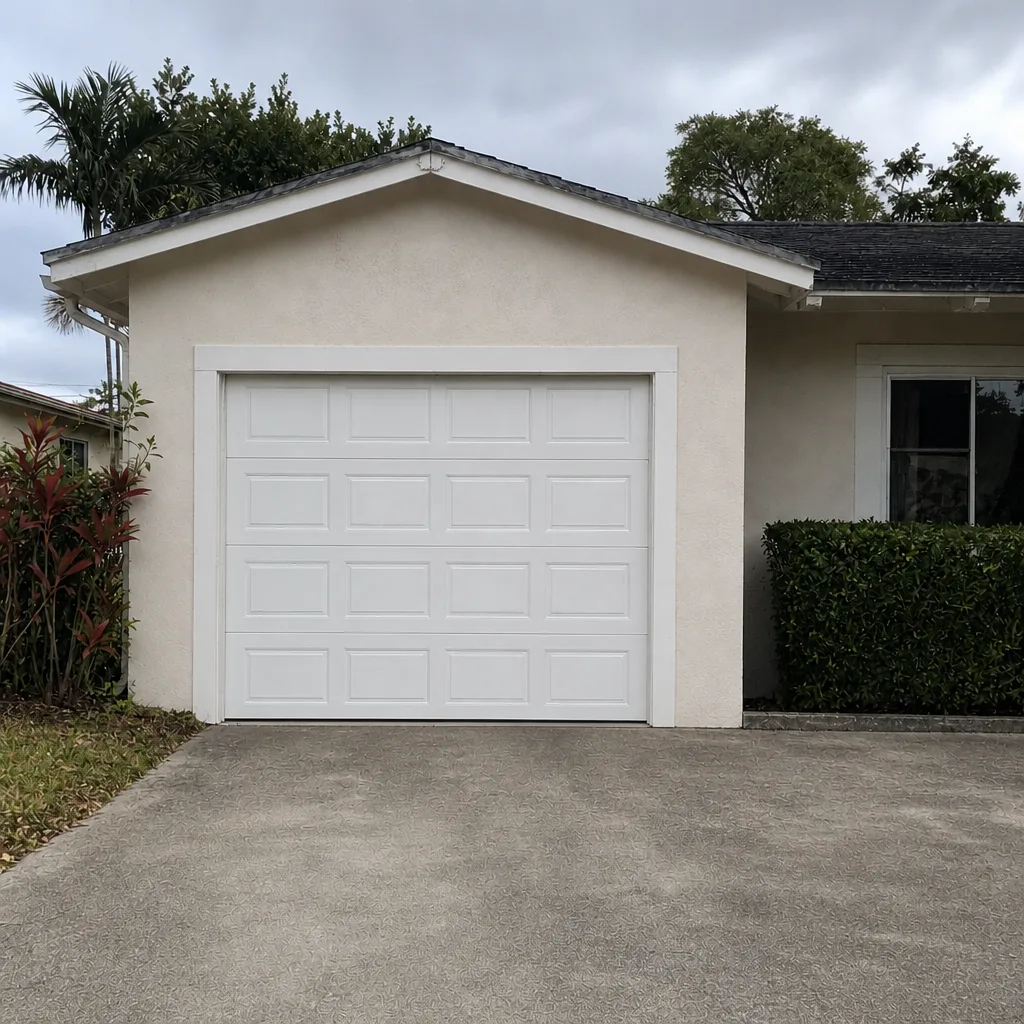
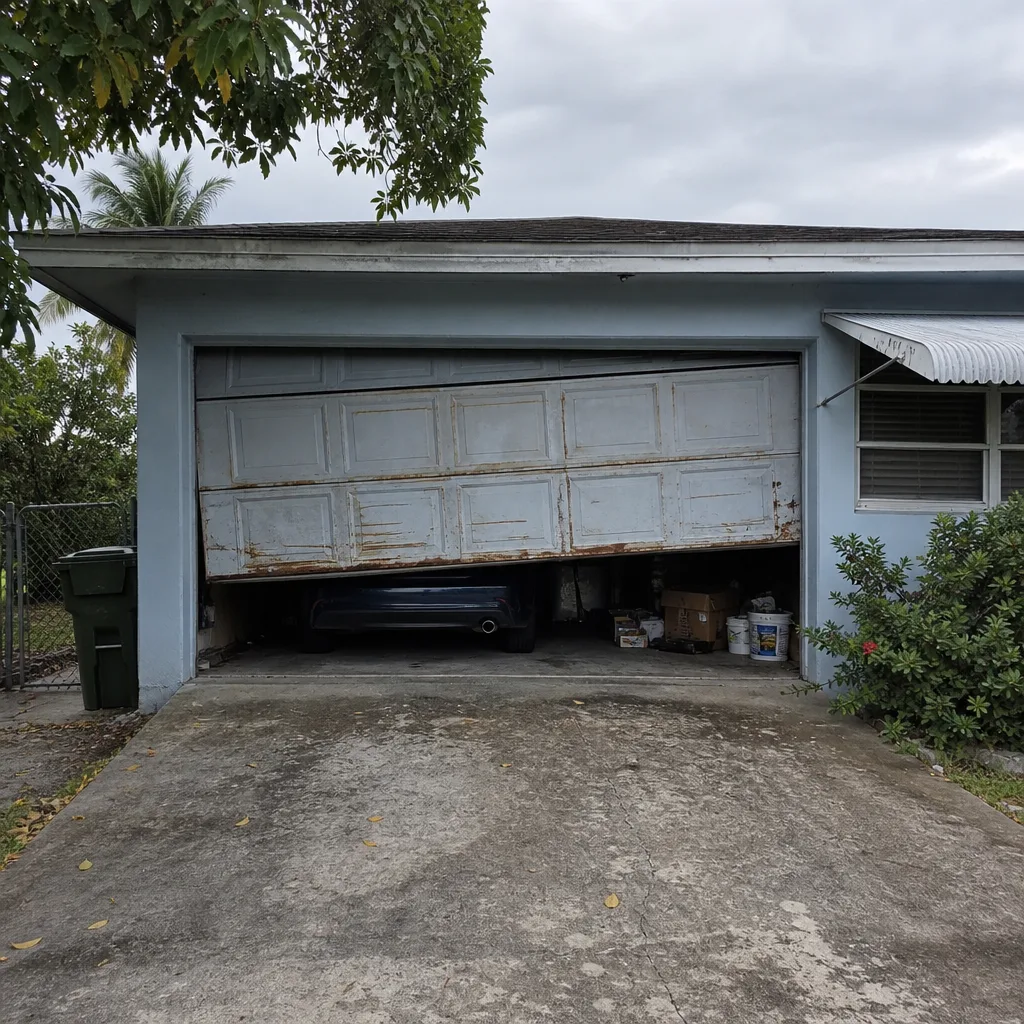
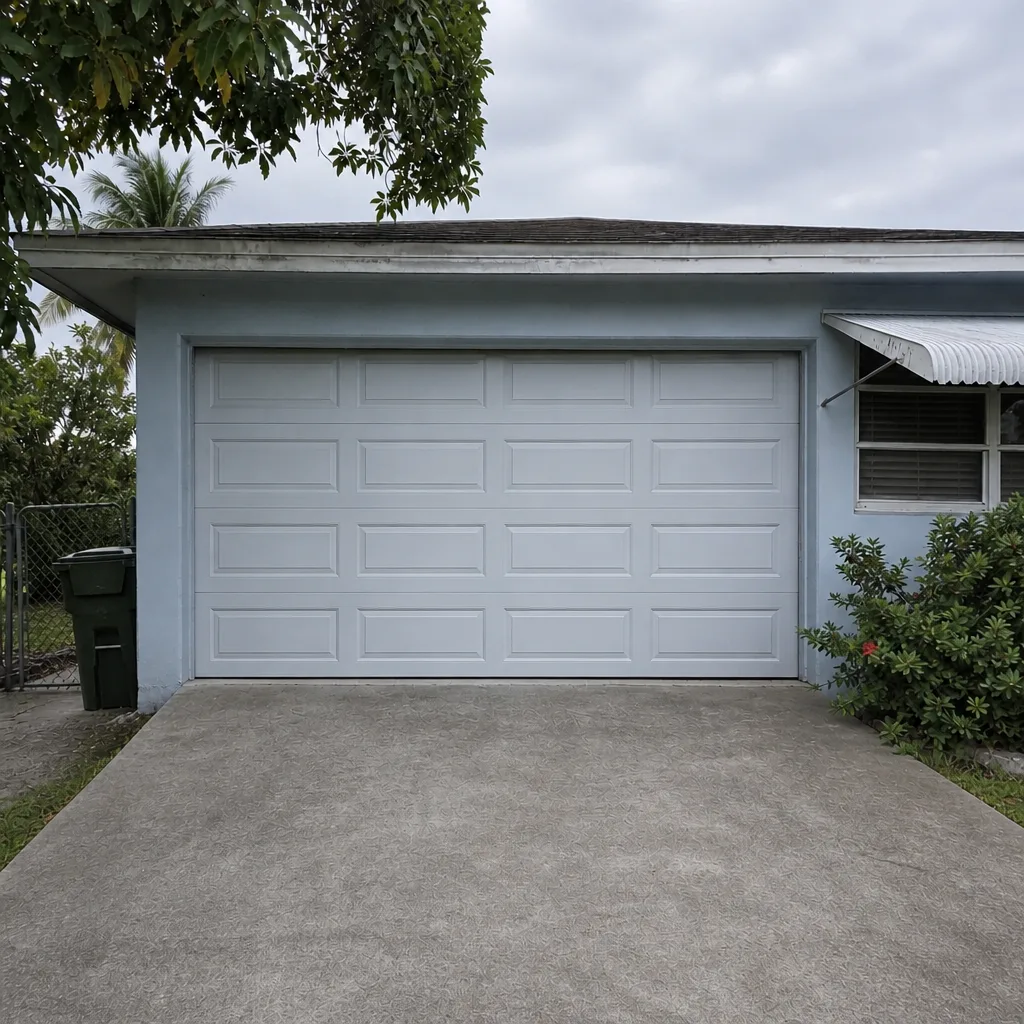
See the difference
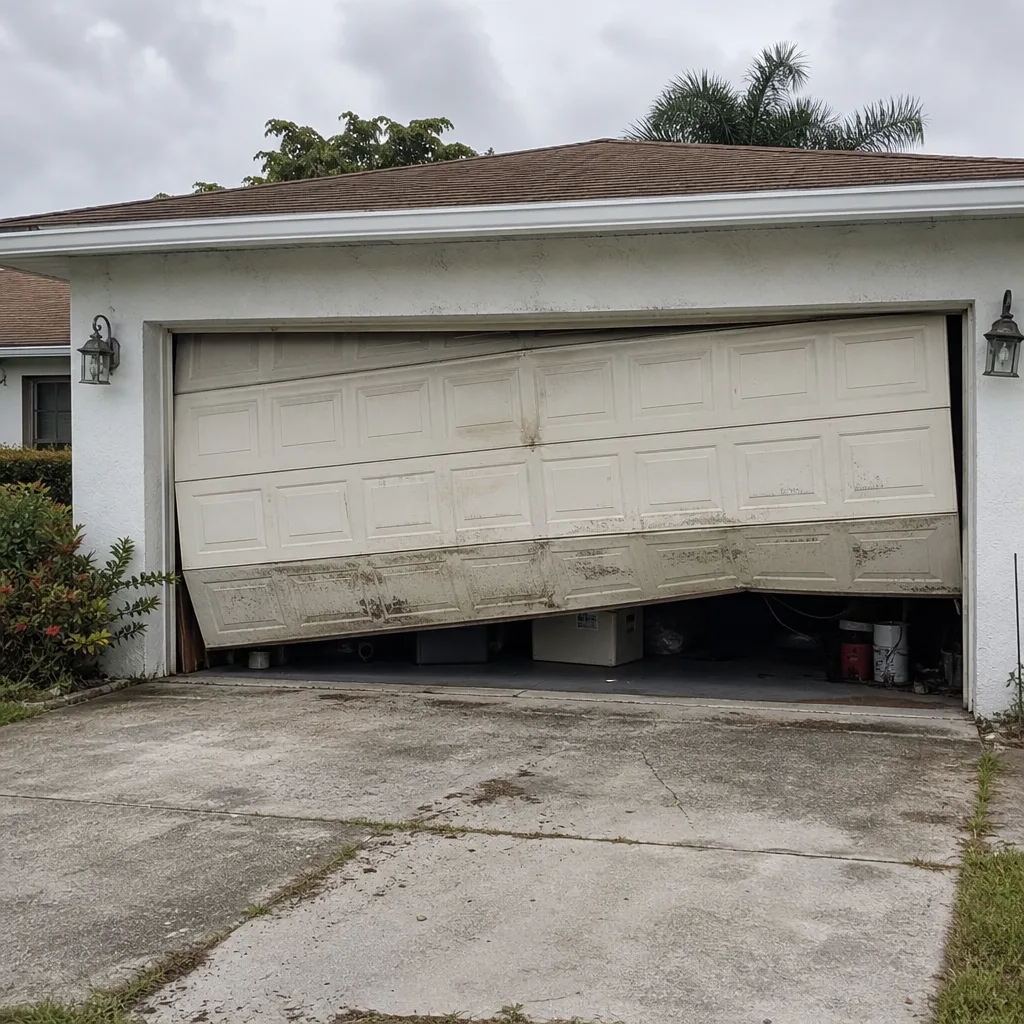 Before
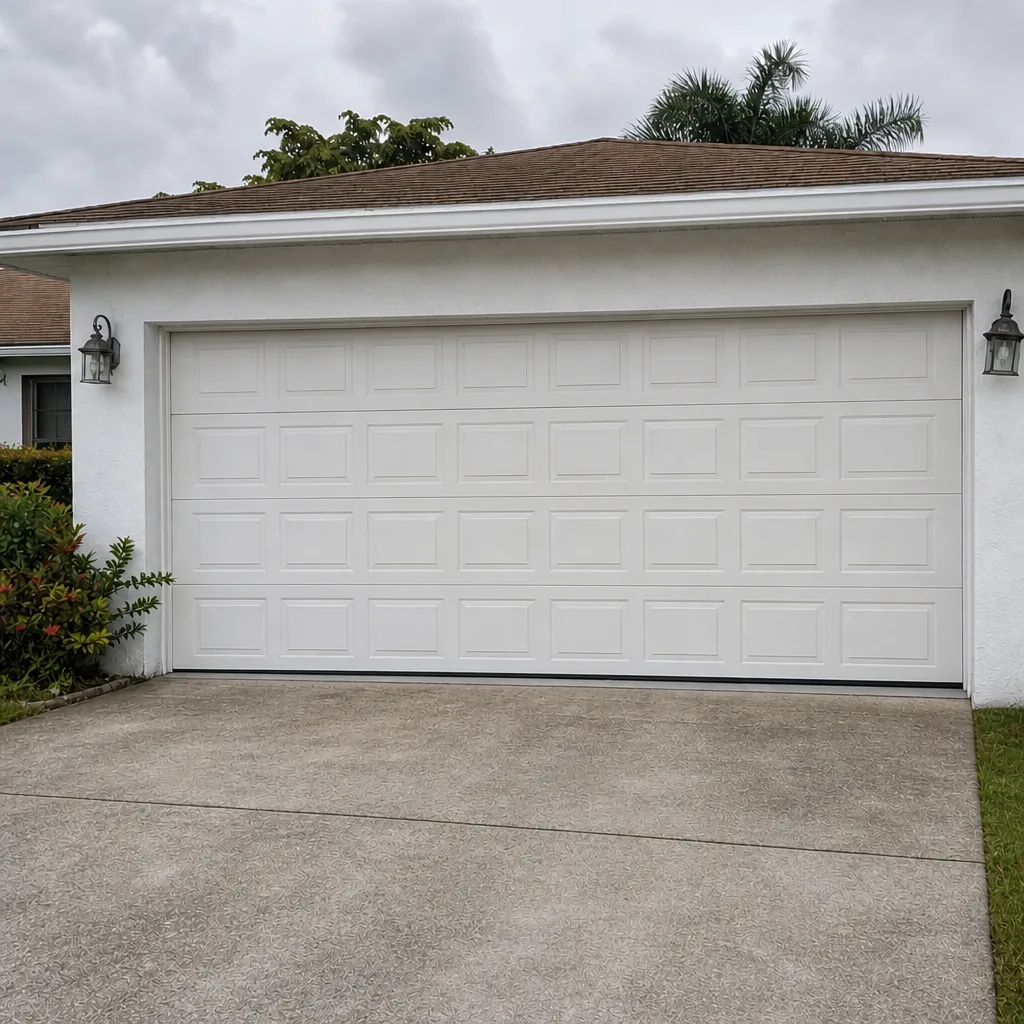 After
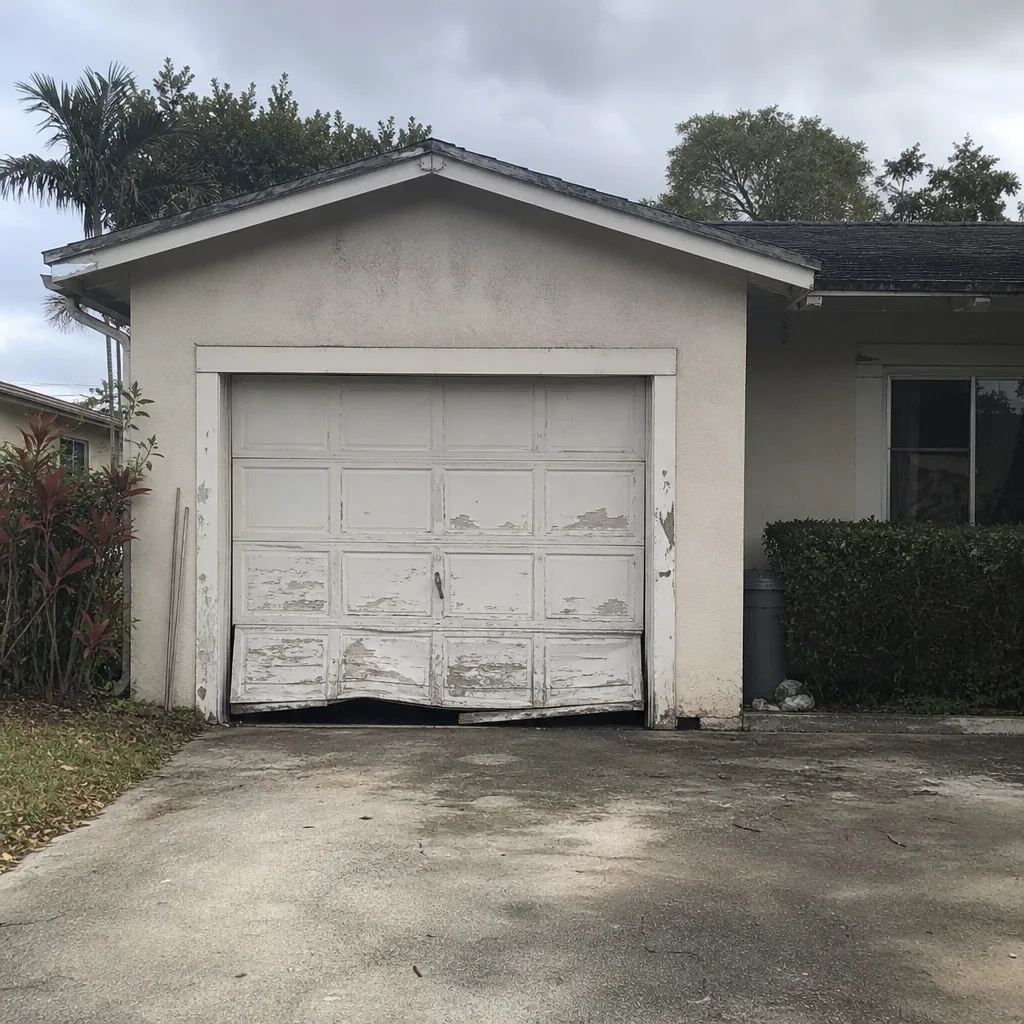 Before
 After
 Before
 After
When to Call a Professional
Some tasks belong on your list. Some belong to a technician. If you find rust deep in a spring coil, a cable with frayed strands, a door that won’t stay balanced, or a manual release that won’t disengage, stop and call. These involve components under high tension or structural load, and handling them without training risks serious injury. The same goes for any opener that won’t hold its travel limits or reverses without cause. Garage Door Repair Lake Worth Beach offers free estimates in Lake Worth Beach – call (833) 756-5752. Our technicians have up to 15 years of experience and are trained across eight major brands, so whoever comes out knows your hardware. We quote the price and agree it with you before any work starts, and we offer same-day and emergency service when a door won’t open or won’t close.
Frequently Asked Questions
Check your springs monthly for rust and coil gap corrosion, and have them professionally inspected yearly. The humidity here makes corrosion the leading cause of early spring failure, so monthly visual checks let you catch problems before a spring snaps. If you spot rust, call for an assessment rather than trying to treat it yourself.
No, WD-40 is not a lasting lubricant for humid climates. It’s a light penetrating oil that evaporates and attracts dust, which can accelerate corrosion. Use a lithium-based grease on hinges, rollers, and spring coils instead, and keep the tracks clean and dry rather than greased. Call (833) 756-5752 if you’re not sure what your opener’s manual recommends.
Before hurricane season, test the manual release, tighten track anchor bolts, inspect the emergency release cord, confirm structural bracing, and clear debris from the tracks. These checks ensure the door operates safely and stays secure when storms arrive. If any part of the audit turns up a problem with springs, cables, or structural parts, have a professional look at it.
Test balance by disconnecting the opener and raising the door to about 3 to 4 feet, then letting go. A balanced door stays in place or drifts slightly; one that slams down or springs up is out of balance. Repeat at the fully open position. If it fails either test, the springs likely need adjustment, and you should call a technician.
We service all eight major brands: LiftMaster, Chamberlain, Genie, Clopay, Amarr, Wayne Dalton, Craftsman, and Raynor. That means technicians arrive familiar with your exact hardware whether you have a Wayne Dalton door or a LiftMaster opener. For a free estimate, call (833) 756-5752.
No, the written estimate sets the final price, and we agree the cost with you before any work begins. You’ll know what you’re paying for the diagnosis and the fix up front, with no surprises on the invoice. Call (833) 756-5752 to schedule a free estimate.
The Bottom Line
Maintenance in Lake Worth Beach means putting corrosion and humidity first, because those are what actually wear garage doors out here. Check spring coils, cable ends, and bottom bracket bolts monthly. Test balance and sensor calibration quarterly with real measurements. Inspect weather stripping before the rainy season and run a full audit before hurricane season. Lubricate with lithium-based grease, not a spray. Everything else follows from those priorities. Keep a simple calendar and the checks become routine. And when something involves springs, cables, or electrical work, hand it to a technician rather than risk injury. Our team at Garage Door Repair Lake Worth Beach is here when you need a diagnosis or a repair, with free estimates and same-day service when your door won’t open or won’t close. Call (833) 756-5752 for a free estimate.
Written by the team at Garage Door Repair Lake Worth Beach.