Last updated November 22, 2026
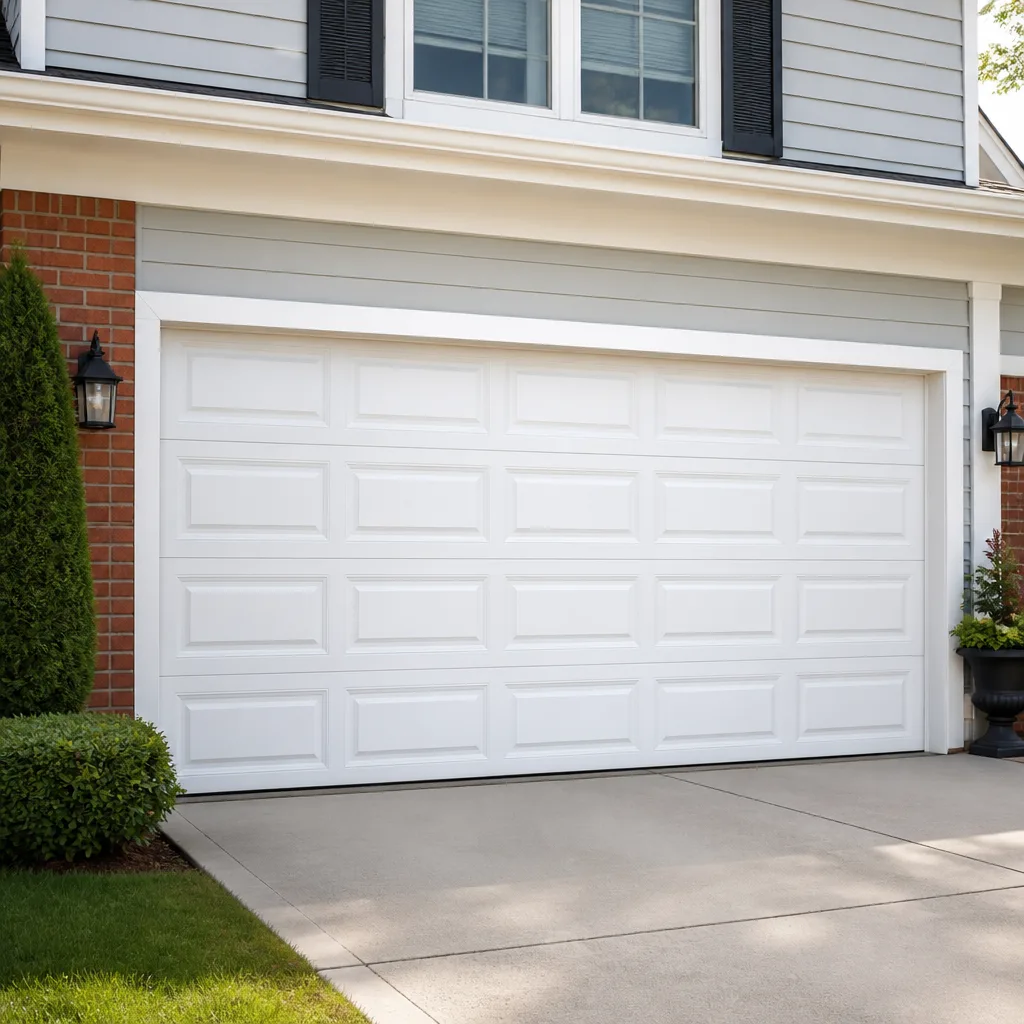 Raised-panel steel
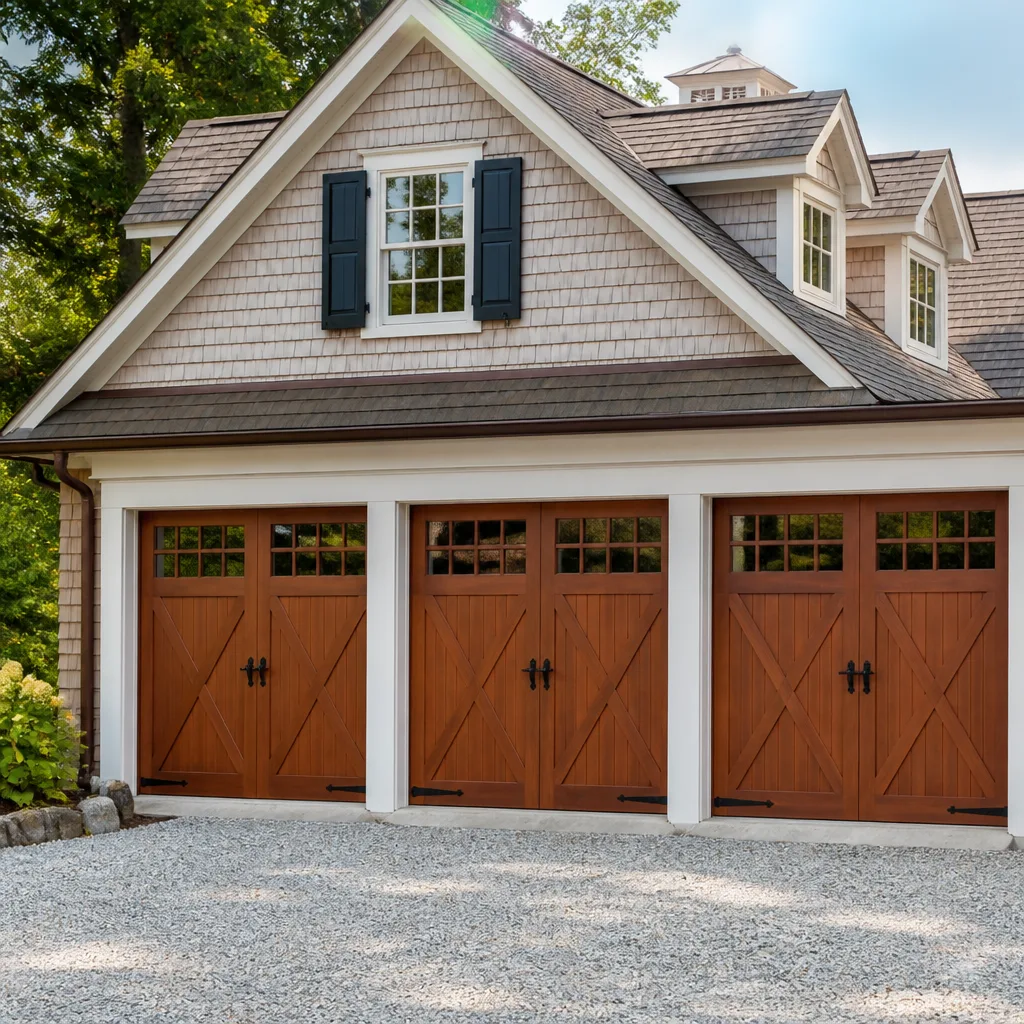 Carriage house
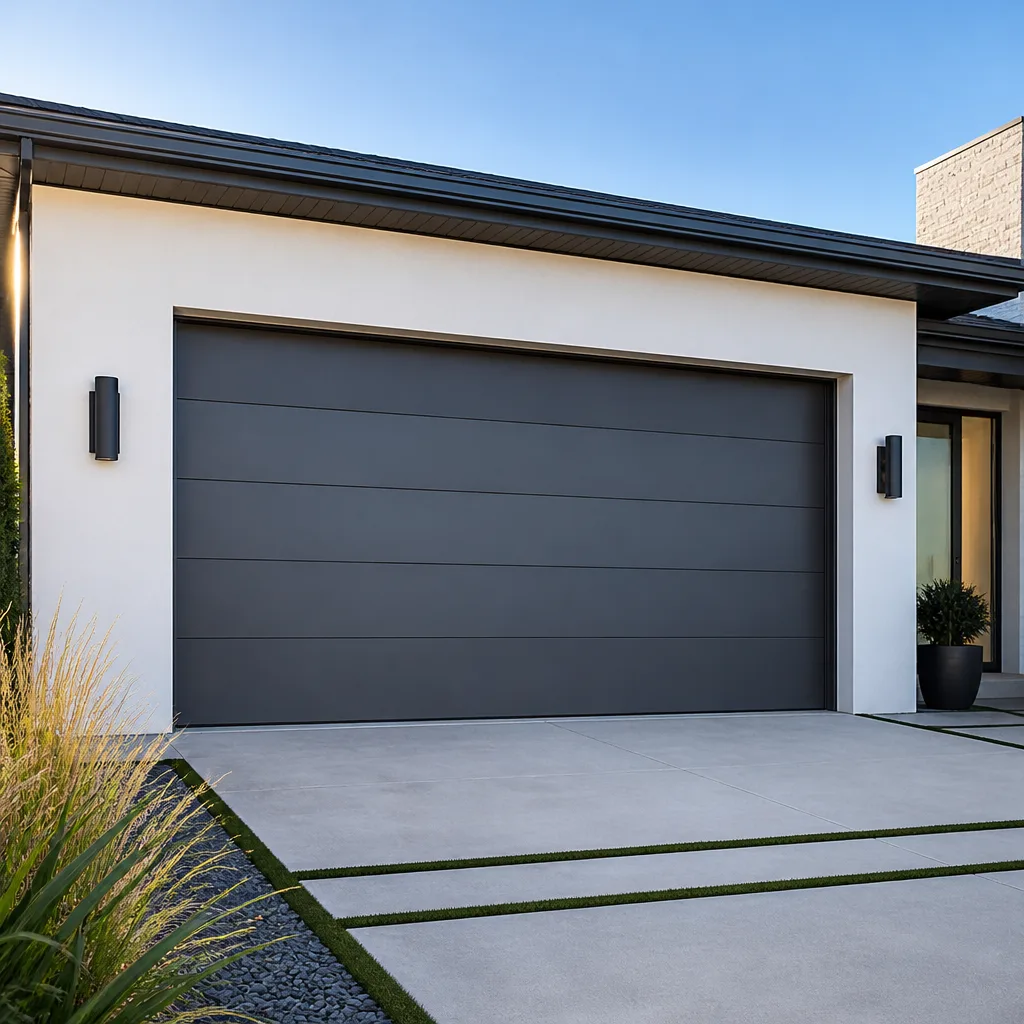 Modern flush
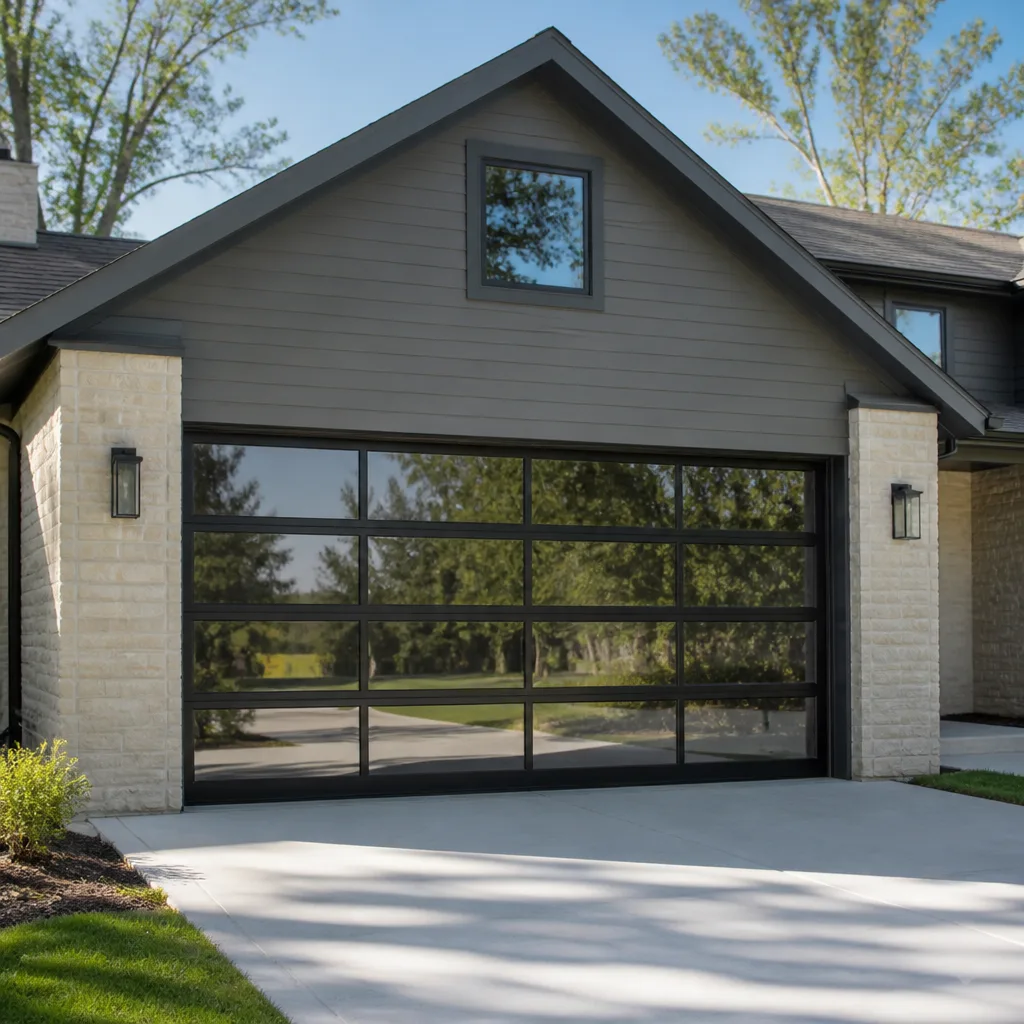 Full-view glass
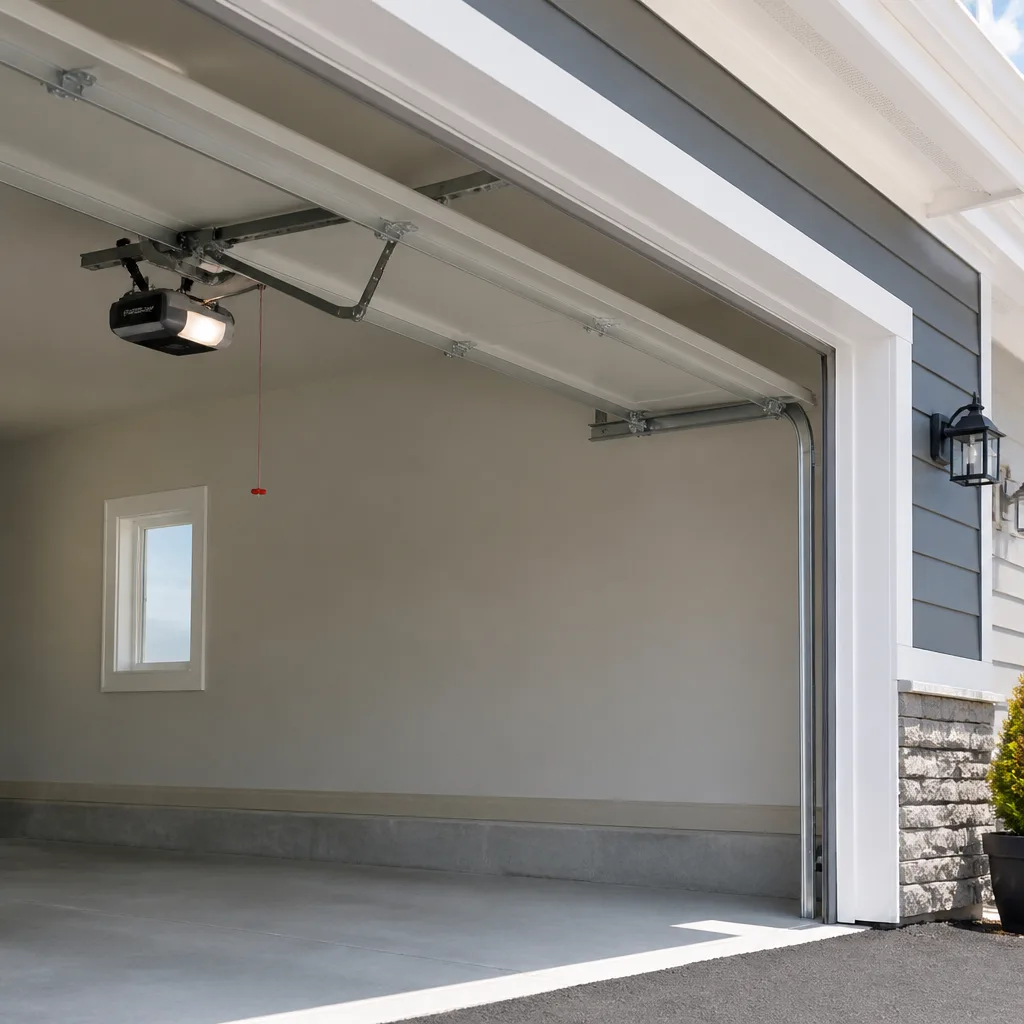 LiftMaster openers
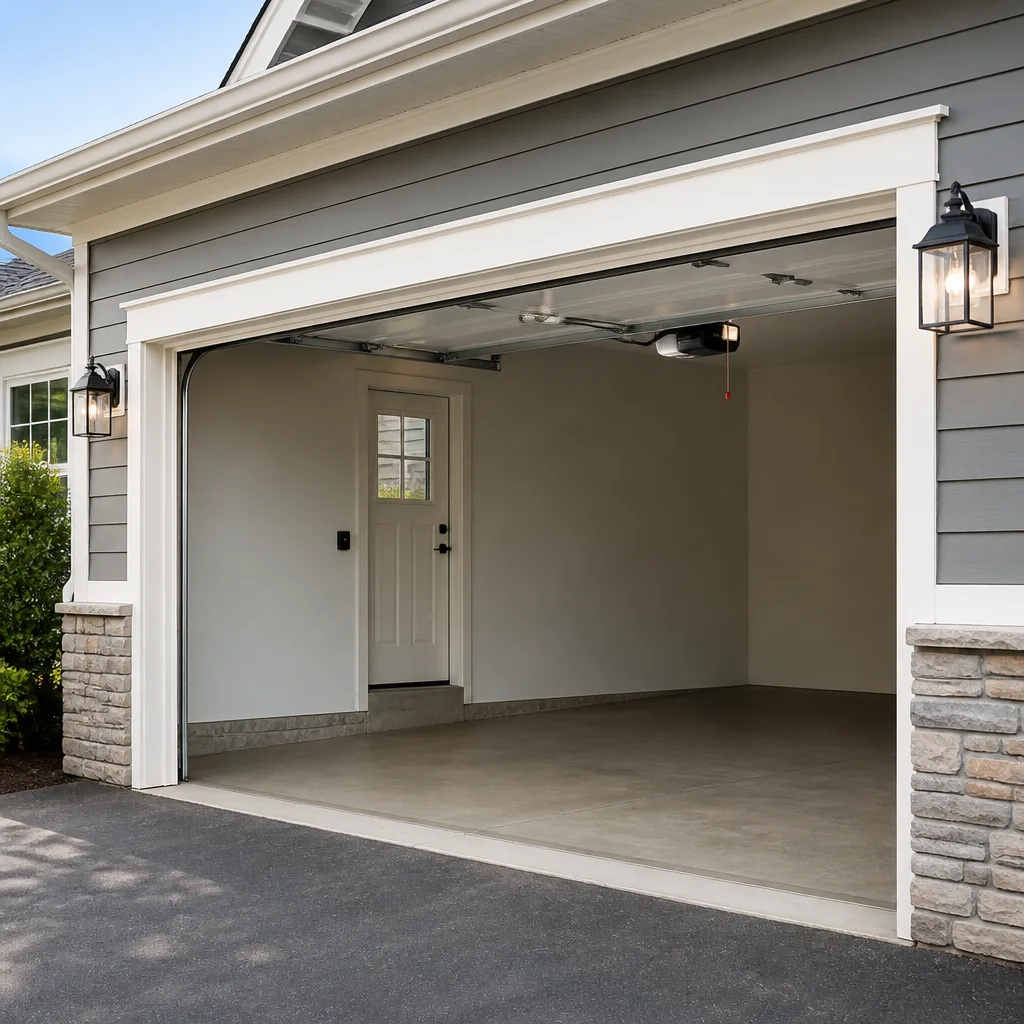 Chamberlain openers
Full 25-point door and opener safety check with every visit - springs, cables, rollers, tracks, and your LiftMaster or Chamberlain opener included
You get a price before we start. It does not change when the pro arrives.
Get your free estimateGarage Door Repair Maintenance Schedule: What to Do and When
Most garage door maintenance advice you’ll find online was written for a national audience with a four-season climate, and it doesn’t hold up in Lake Worth Beach. Here, a torsion spring that might last a decade in a drier, cooler market can wear out in roughly half that time, not because of anything you did wrong but because of what the air and the daily temperature swings do to metal, steel cables, and rubber seals. Humidity runs high through the wet season, the sun bakes south-facing doors, and the temperature climbs and drops every single day. In this guide we’ll lay out a maintenance schedule built for those conditions – what to check monthly, quarterly, and yearly – plus the visual inspection protocol that lets you spot a failing spring or cable before it snaps. It’s written from Lake Worth Beach for homeowners who’d rather catch small problems than pay for an emergency.
Quick Answer
A garage door in Lake Worth Beach needs a quick monthly visual-and-safety check, a lubrication and hardware tightening every three months, and a full professional tune-up once a year – plus a dedicated inspection before and after the June-through-October wet season, when humidity peaks and seals break down fastest. The schedule is tighter here than the manufacturer’s generic calendar because heat, humidity, and daily thermal cycling wear components faster in South Florida than the printed intervals assume.
Styles & brands we work with
- Raised-panel steel
- Carriage house
- Modern flush
- Full-view glass
- LiftMaster openers
- Chamberlain openers
Table of Contents
- Why a Lake Worth Beach Schedule Looks Different
- Monthly Checks: Ten Minutes That Prevent Most Failures
- Quarterly Tasks: Lubrication and Hardware
- The Visual Inspection Protocol: Springs, Cables, and Rollers
- Wet Season Prep: June Through October
- The Annual Professional Tune-Up
- Maintenance That Protects Your Warranty
- Lubricants: What to Use and What to Avoid
Why a Lake Worth Beach Schedule Looks Different
A torsion spring is rated in cycles – one cycle is one open plus one close. A spring rated for 10,000 cycles is engineered for a certain amount of work, and how fast you burn through those cycles depends partly on how often you use the door and partly on the conditions it lives in. In a dry, mild climate, that spring might reach its limit over many years. In Lake Worth Beach, with humidity that keeps bare steel damp and near-daily thermal cycling that works the metal, the same spring can fail noticeably sooner. That’s the core reason a copied-and-pasted national schedule under-serves local homes.
The stressors here are specific:
- Humidity. Moisture in the air attacks unpainted fasteners, hinges, and the steel wire of cables. Parts that stay lubricated resist it; parts that dry out start to pit and stick.
- Thermal cycling. The door expands in the heat of the day and contracts at night. That constant movement loosens bolts, works hinges, and stresses the spring.
- Sun exposure. A west- or south-facing door in Lake Worth Beach takes direct sun for hours. Paint, wood panels, and weather seals all age faster on the sunny side.
- Salt in the air. Homes near the Intracoastal deal with airborne salt that speeds corrosion on any exposed metal, which makes lubrication and inspection more urgent, not less.
None of this means the door is unsafe to use. It means the intervals should be shorter and the inspections should be more deliberate. A schedule tuned to Lake Worth Beach conditions catches wear during a routine check instead of during an emergency call.
Monthly Checks: Ten Minutes That Prevent Most Failures
Once a month, walk out and look at the door the way a technician would. You’re not taking anything apart – you’re listening, looking, and testing the safety features. This is the single highest-value habit on the schedule and it costs you ten minutes.
- Listen. Open and close the door and pay attention to the sound. A smooth hum is what you want. Grinding, squealing, or a heavy rattling means something needs attention.
- Test the auto-reverse. Lay a roll of paper towels or a piece of wood flat under the door’s path and close it. The door should reverse on contact. If it doesn’t, that’s a safety failure – stop using the door and get it looked at.
- Test the photo-eye sensors. With the door open, wave an object across the small sensors near the floor on each side. The door should refuse to close while the beam is broken. Wipe the sensor lenses if they look cloudy; humidity and dust fog them.
- Watch the balance. Disconnect the opener (usually a pull cord), lift the door halfway by hand, and let go. A balanced door stays put. A door that drifts down on its own or feels very heavy is a spring or cable problem – do not force it.
- Look at the springs and cables. With the door down, look at the springs above the door and the cables along the sides. A gap in a torsion spring is a break. A frayed cable is a cable about to go. Don’t touch, just note it.
If any of these checks fails, that’s your signal to stop and call. For a door that’s stuck or won’t close, our garage door repair team can diagnose it the same day.
Quarterly Tasks: Lubrication and Hardware
Every three months, the door needs lubrication and a hardware pass. In Lake Worth Beach this quarter gets more attention than it would elsewhere because humidity works against you between checks – dry moving parts corrode, and corroded parts stick and grind.
- Lubricate the moving metal. Use a white lithium grease or a silicone-based garage door lubricant on hinges, rollers, and the torsion spring. A light spray on the tracks works too. Never use a general-purpose spray like WD-40 on springs or cables – it’s a solvent, not a lubricant, and it actually strips away the protection that keeps moisture off the steel.
- Tighten loose hardware. Run a socket or wrench over the hinge bolts and the brackets that hold the track. Thermal cycling loosens these over time; a few seconds per bolt keeps the door from rattling.
- Wipe the tracks. A dry rag along the inside of the track removes grit, dust, and the fine debris that humidity likes to collect. Don’t grease the tracks – they’re meant to run dry so the rollers roll instead of sliding.
- Check the weather seal. Look along the bottom of the door and the sides. A seal that’s cracked, stiff, or pulling away lets in water, insects, and heat. This is one of the first things to fail in South Florida humidity.
- Inspect rollers. Look at each roller for flat spots, cracks, or a wobble. Plastic rollers wear faster in heat; steel rollers need their lubrication checked more often.
If a roller or hinge is clearly shot, replacing it now is far cheaper than waiting for it to damage the track. That’s the kind of small intervention our Garage Door Repair Lake Worth Beach team handles routinely.
The Visual Inspection Protocol: Springs, Cables, and Rollers
You can learn a lot about a garage door’s health without ever touching a spring under tension. The protocol is about looking – carefully, from a safe distance – and understanding what you’re seeing. Never try to adjust, loosen, or remove a torsion spring or the cables. They’re under extreme tension, and releasing that tension without the right tools and training causes serious injury. This is genuinely dangerous work, and we treat it as such even on routine service visits.
Here’s what a careful visual inspection looks like:
- Torsion spring. With the door fully closed, look at the spring mounted on the bar above the door. A healthy spring is continuous. A thin gap or a visibly separated coil is a break. Also look for rust streaks – a spring corroding from the salt air is a spring that’s weakening.
- Extension springs (if your door uses them). These run along the sides above the door. Check that the safety cables run through them and that the cables aren’t frayed. Springs stretched beyond their normal length are aging.
- Cables. Follow each cable from the drum down to the bottom bracket. A healthy cable is tight and even. Fraying, a bird-cage tangle, or slack means it’s failing. Don’t touch it – call.
- Rollers. Look along the hinge plates. Rollers should sit straight in the track and roll freely. A flattened, chipped, or crooked roller is causing wear on the track every time you open the door.
- Panels and hinges. Walk the perimeter. Look for bent panels, cracked hinges, and loose brackets. On a Clopay or Amarr steel door, a small ding in a panel is usually cosmetic; a hinge that’s pulling away is not.
- Track alignment. The vertical and horizontal tracks should form a smooth line with even gaps. A track that’s out of alignment or dented will wear rollers fast and can jam the door.
When a spring or cable shows a problem, the safest and most cost-effective move is to have it replaced by a trained technician. Our garage door spring repair service exists for exactly this reason, and the price is always quoted and agreed before any work starts.
Wet Season Prep: June Through October
South Florida’s wet season, roughly June through October, is when humidity climbs and afternoon storms become routine. It’s also when garage door seals, in particular, take the hardest hit. Moisture and heat break down rubber and vinyl faster than any other stretch of the year, and a seal that fails lets water into the garage and lets conditioned air out. Treat the week before the wet season and the week after as your two big prep windows.
Before the season (late May):
- Inspect and, if needed, replace the bottom weather seal. A cracked seal is the most common wet-season complaint we hear about.
- Lubricate every hinge and roller with a moisture-resistant grease – humidity during these months finds every dry joint.
- Check for rust spots on the tracks, hinges, and springs, and treat them before they spread.
- Clear debris from the tracks and test the auto-reverse again – the safety systems matter more with moisture around.
After the season (early November):
- Recheck seals for warping or stiffness after months of heat.
- Look for new corrosion on hardware and springs.
- Re-lubricate moving parts and re-tighten hardware loosened by the season’s storms.
If your door runs on a LiftMaster or Genie opener, the wet season is also a good time to test the opener’s safety features and check whether the battery backup (where equipped) still holds a charge. For opener issues, our garage door opener repair service covers the electronics side of the system.
The Annual Professional Tune-Up
Once a year, have a trained technician go through the door end to end. A monthly check catches the obvious problems; an annual tune-up catches the subtle wear that shows up over hundreds of cycles – a slightly stretched spring, a cable starting to fray near the drum, an opener gear that’s losing teeth. In Lake Worth Beach, we recommend scheduling this annual visit in either spring or fall, ahead of the wet-season rush, so any worn part can be addressed before the weather stresses it further.
A thorough annual tune-up covers:
- A full balance test and spring tension assessment (by a technician, safely)
- Cable inspection along its entire length
- Roller and hinge evaluation with replacement of worn parts
- Track alignment and lubrication of the full system
- Opener diagnostics – force settings, travel limits, safety reversal, and photo-eye alignment
- A check of door panels and hinges for structural wear
If, during the tune-up, the technician finds damage that’s beyond repair – a bent panel, a warped door, a track that’s been hit – that’s where a full replacement is worth talking through. Our garage door repair team handles both repair and installation, so the whole project stays in one place.
Maintenance That Protects Your Warranty
Opener manufacturers build maintenance conditions into their warranties, and skipping the steps they expect is one of the easiest ways to void coverage. If your door runs on a LiftMaster, Chamberlain, or Genie opener, the warranty language typically assumes the owner keeps the moving parts lubricated and the safety-reversal system functioning. A photo-eye that’s been blocked or misaligned for months and never corrected can void a service claim. Forcing a door with a broken spring because it “still opens” can burn out the opener’s motor or strip its gears, and that kind of damage is generally excluded.
With a Craftsman or Wayne Dalton system, the same principle applies: the warranty covers defects, not neglected wear. A door that’s been allowed to grind on worn rollers and a sticking track can wear out a motor long before its expected life, and the manufacturer will often point to that neglect.
A simple way to protect coverage is a dated maintenance log. Note each monthly check, each quarterly lubrication, and each annual tune-up. If a warranty claim ever comes up, that log is your evidence the door was maintained.
Lubricants: What to Use and What to Avoid
The lubricant choice matters as much as the schedule. In humid Lake Worth Beach conditions, using the wrong product accelerates the problem it’s supposed to solve.
Use:
- White lithium grease for hinges, rollers, and the torsion spring – it holds up to moisture and stays put.
- A silicone-based garage door lubricant for tracks and general moving parts.
- A light application, not a heavy coat – too much grease collects grit and becomes an abrasive paste.
Avoid:
- WD-40 on springs or cables. It’s a common mistake – it feels like lubrication, but it’s a penetrating solvent that strips protective oils and leaves steel more exposed to moisture. In our experience, a spring sprayed with WD-40 corrodes faster, not slower.
- Motor oil or cooking oil – both attract dirt and break down under heat.
- Greasing the tracks. The track should stay clean and dry so rollers roll along it; grease makes them slide and wear.
Common Mistakes to Avoid
- Skipping lubrication because “it still works.” A dry, quiet door is quietly corroding. In Lake Worth Beach humidity, three months without lubrication is enough to start pitting the hinges.
- Using WD-40 on the springs. It’s the most common misapplication we see. It strips protective oil and speeds corrosion on the very part that’s most expensive to replace.
- Forcing a door with a broken spring. Continuing to run the opener on a door with a snapped spring will burn out the motor or strip its gears. Stop using the door and call.
- Ignoring a failed auto-reverse test. A door that doesn’t reverse on contact is a safety hazard, not a minor annoyance. Stop using it until it’s fixed.
- Waiting for the wet season to inspect the seals. Late May is when you want to catch cracked seals – once the rain starts, a small gap becomes a wet garage floor.
- Letting the photo-eyes stay dirty. Fogged or dusty sensor lenses cause intermittent failures that look like bigger problems. A quick wipe prevents a lot of false alarms.
- Assuming the manufacturer’s national schedule fits here. The intervals printed for a four-season market are too loose for Lake Worth Beach; shortening them to monthly and quarterly is the local adjustment.
See the difference
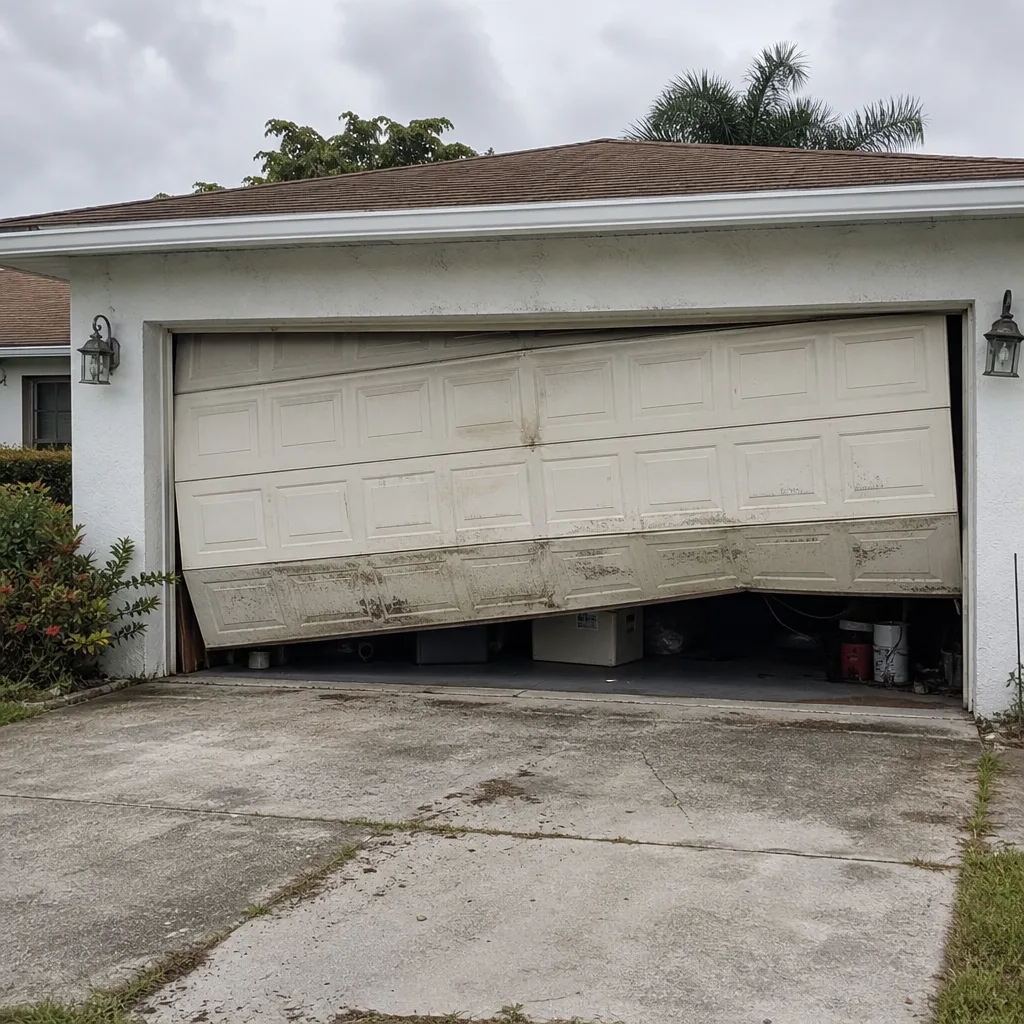 Before
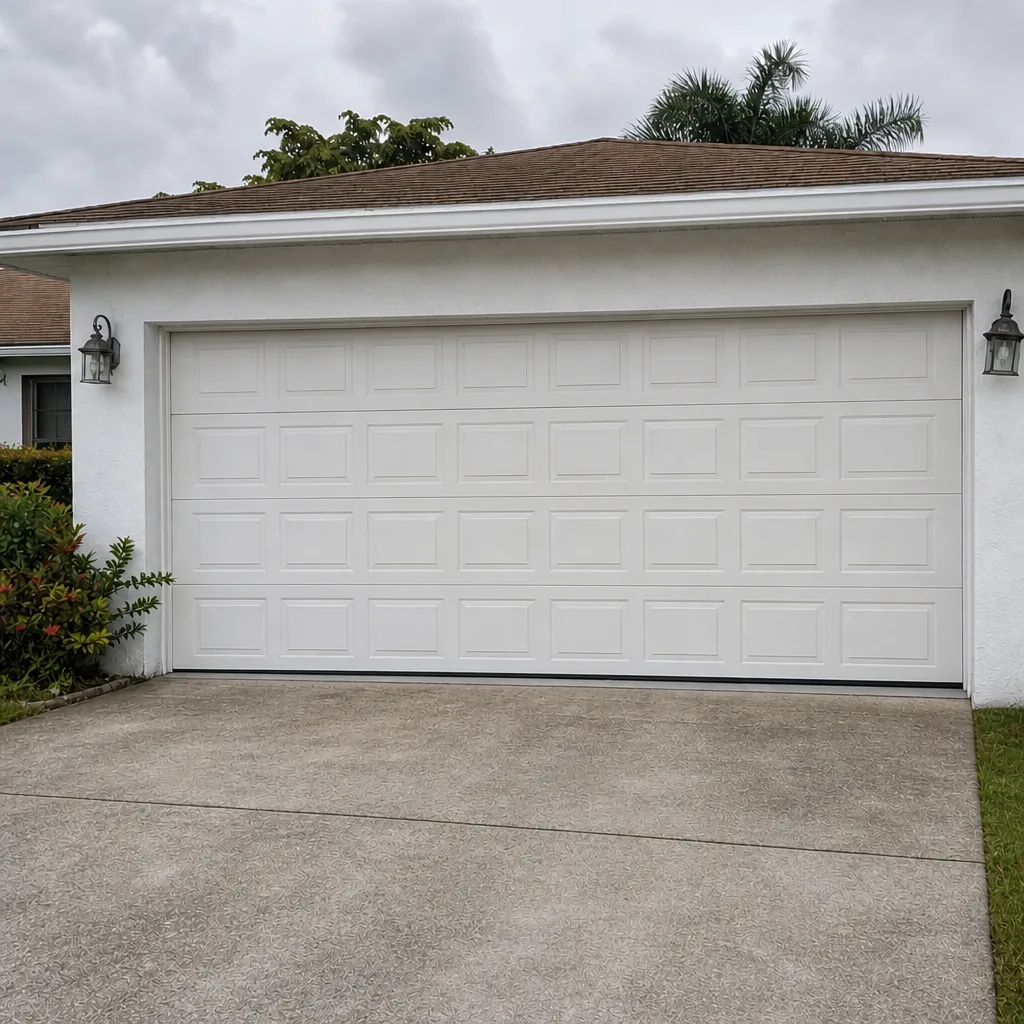 After
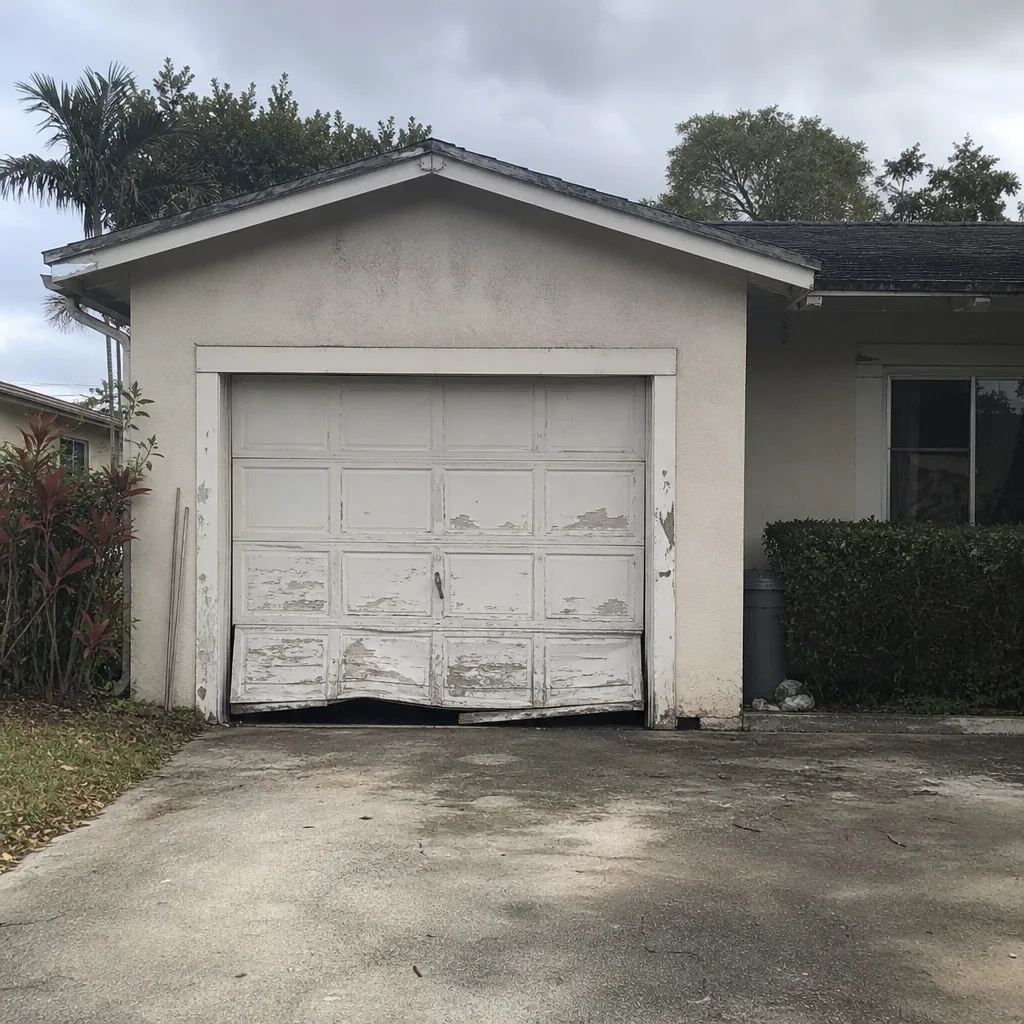 Before
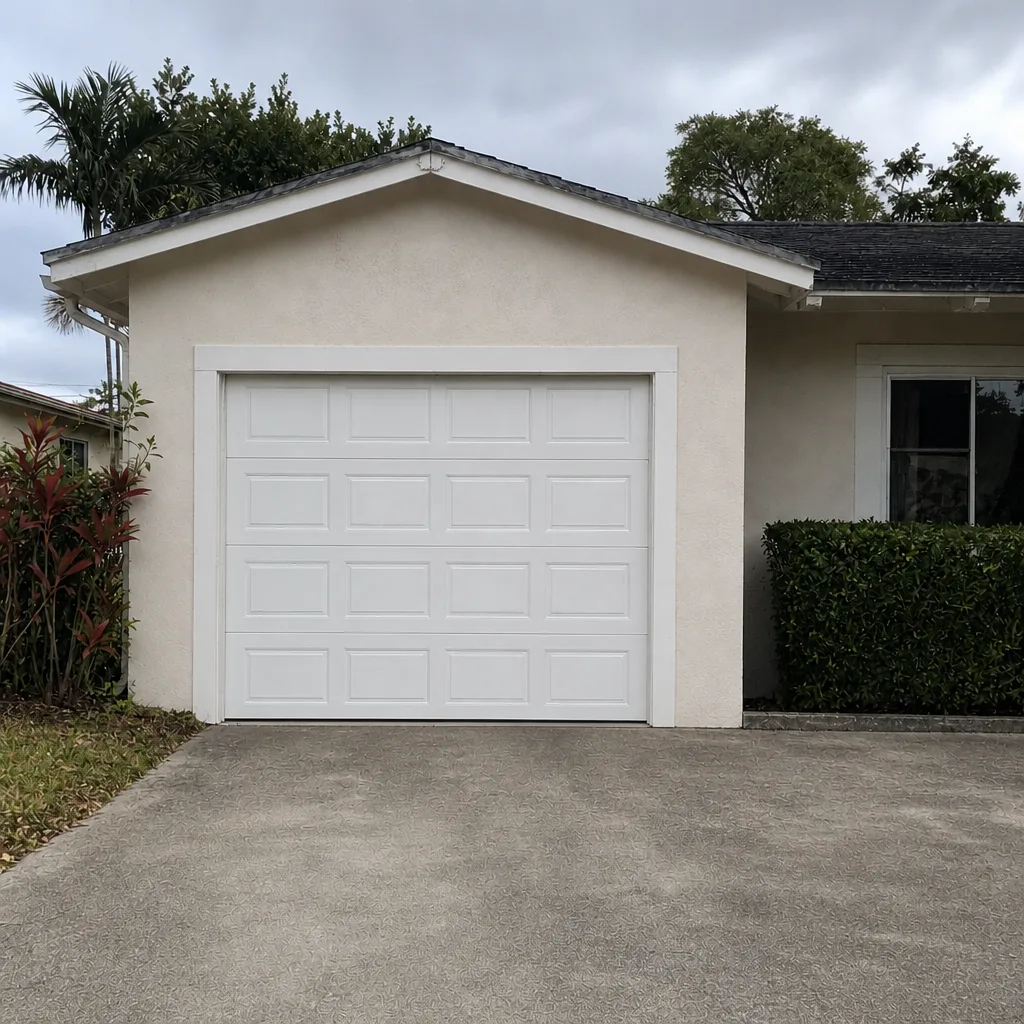 After
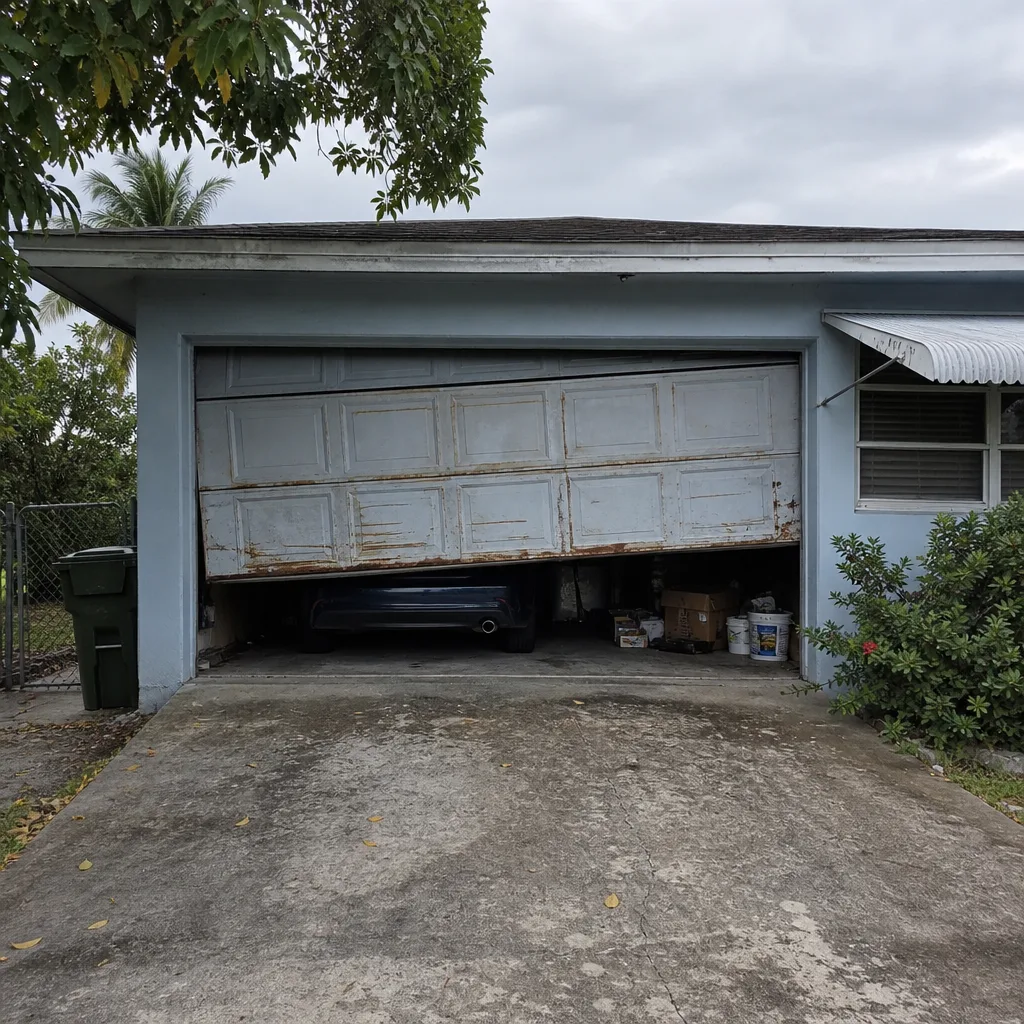 Before
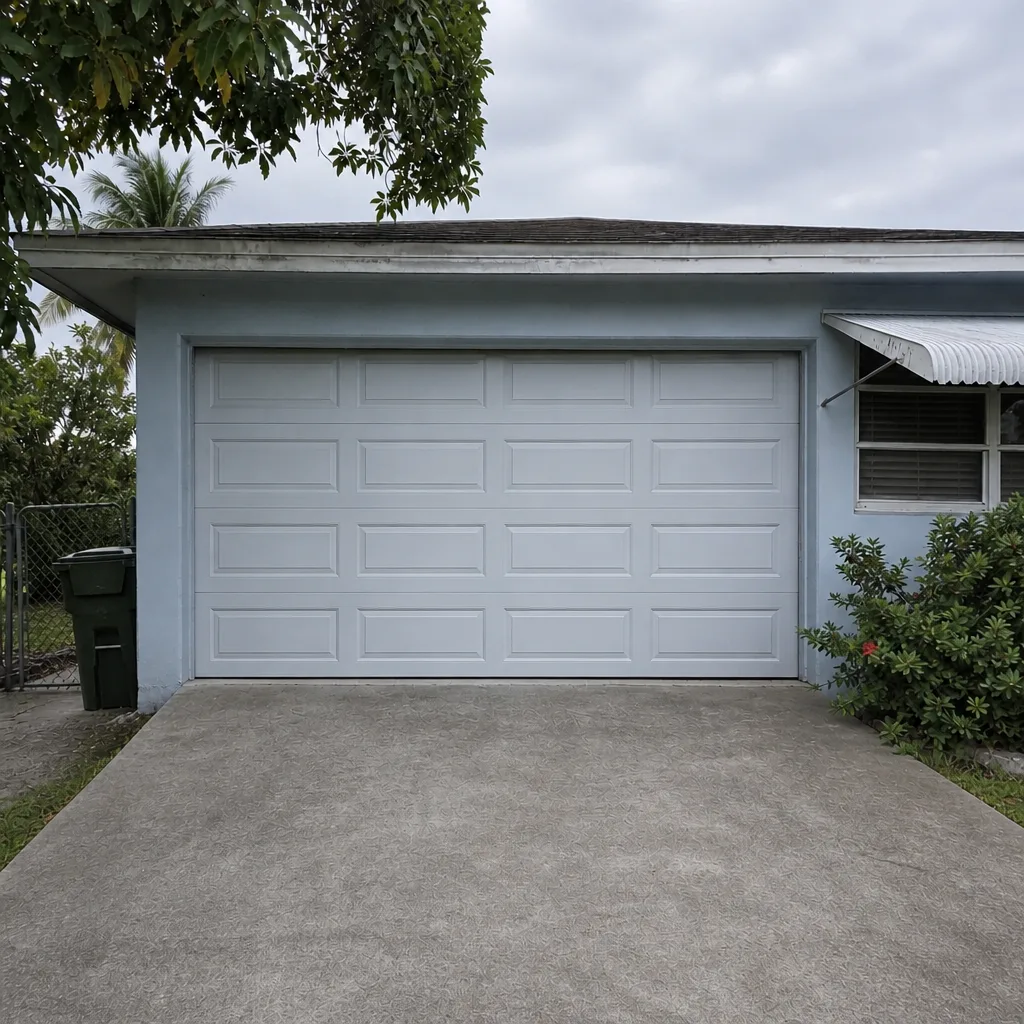 After
When to Call a Professional
Some jobs are routine maintenance; others are a call to a technician. If you hear grinding or a heavy bang from the springs, see a gap in the torsion spring, notice a frayed cable, or the door won’t balance when you lift it by hand, stop using it. A failed auto-reverse or a door that won’t close at all also warrants a call – the safety systems aren’t something to improvise around. Any spring or cable work belongs with a trained technician because of the tension involved. Garage Door Repair Lake Worth Beach offers free estimates in Lake Worth Beach – call (833) 756-5752 to get a quoted and agreed price before any work starts.
Frequently Asked Questions
Every three months for lubrication and hardware, with a full professional tune-up once a year. The monthly visual check is something you can do in ten minutes, and the quarterly lubrication keeps humidity from corroding moving parts between visits. Because Lake Worth Beach’s humidity and daily temperature swings wear components faster than a four-season climate, this is a tighter schedule than the generic manufacturer calendar.
Because humidity, thermal cycling, and airborne salt age steel faster than a dry climate does. A torsion spring rated for a certain number of cycles hits that limit sooner in Lake Worth Beach conditions – so regular inspection catches the wear before it becomes a break. Call (833) 756-5752 for a same-day diagnosis if the door sounds different or feels heavy.
Yes – lubrication is the safest part of maintenance to do yourself. Use white lithium grease or a silicone-based garage door lubricant on hinges, rollers, and springs, and a light coat on the tracks (which should otherwise stay dry). Avoid WD-40 on springs and cables; it’s a solvent, not a lubricant, and it leaves steel exposed to humidity. If you’re unsure which product fits your door, call us and we’ll tell you.
You can tell from looking. A torsion spring with a visible gap is broken; a spring with rust streaks is weakening. A cable that’s frayed, tangled, or slack is failing. Never touch a cable or spring under tension – the safe move is to call and have it replaced. We handle spring and cable work as a core part of our service because of how dangerous these parts are to handle.
It can. LiftMaster, Chamberlain, and Genie warranties generally assume the owner keeps moving parts lubricated and safety features working. A forced door with a broken spring or a blocked photo-eye can void a motor or gear claim. Keep a simple dated log of your monthly, quarterly, and annual maintenance – that’s your proof if a claim ever comes up.
Sometimes a technician finds damage – a bent panel, a warped door, a damaged track – that isn’t worth repairing. In that case, a full replacement is a real option. We handle both repair and installation, so you deal with one company for the whole project. Call (833) 756-5752 for a free estimate.
The Bottom Line
A garage door in Lake Worth Beach needs more attention than the national maintenance guides suggest. The short version: a monthly visual and safety check, lubrication and hardware tightening every quarter, a full professional tune-up once a year, and dedicated seal-and-corrosion inspections before and after the June-through-October wet season. Use the right lubricants – white lithium or silicone, never WD-40 on springs – and keep a dated log to protect your warranty. Catch small wear early and most doors avoid the emergency. If something looks wrong, call before it fails.
Need a hand with your door? Call (833) 756-5752 for a free estimate from Garage Door Repair Lake Worth Beach. Whether it won’t open, won’t close, or just needs a tune-up, our technicians – trained on LiftMaster, Chamberlain, Genie, Clopay, Amarr, Wayne Dalton, Craftsman, and Raynor – are ready to diagnose it correctly the first time.
Written by the team at Garage Door Repair Lake Worth Beach.