Last updated November 22, 2026
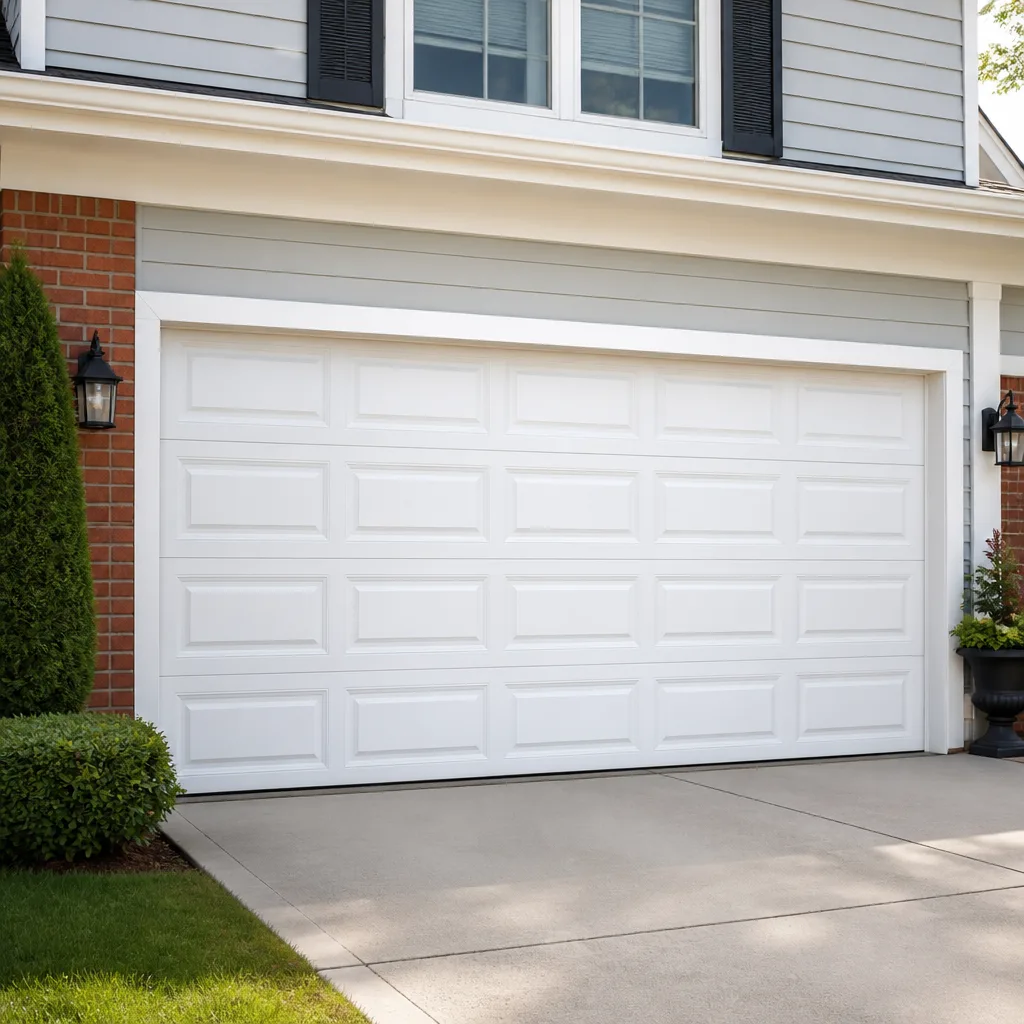 Raised-panel steel
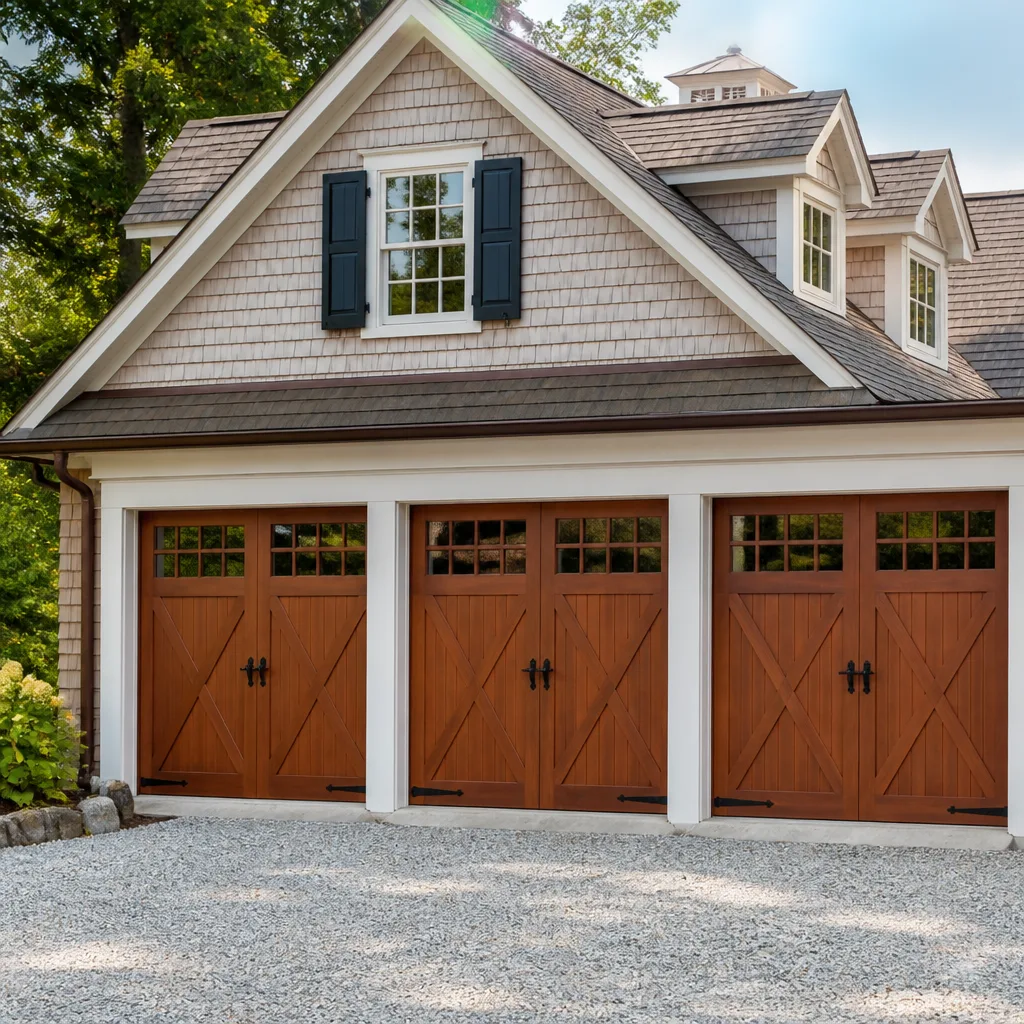 Carriage house
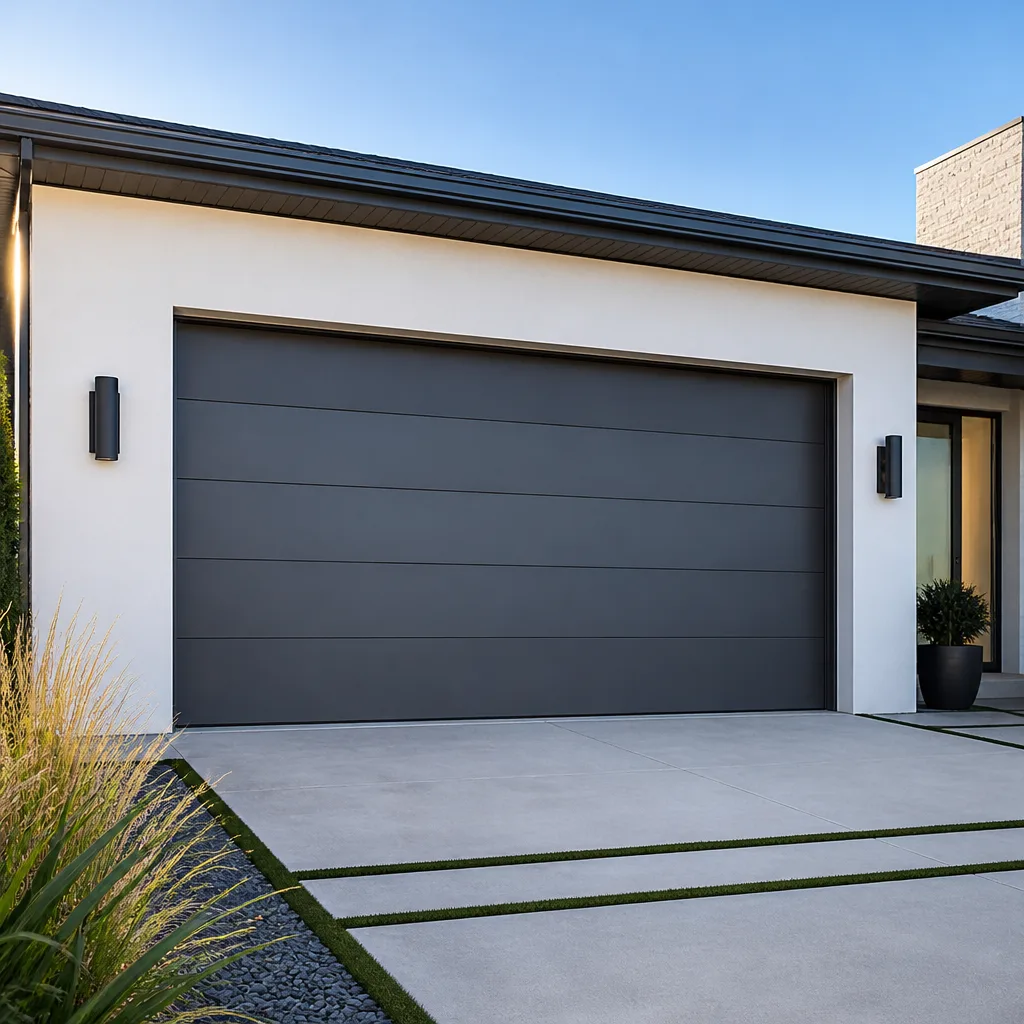 Modern flush
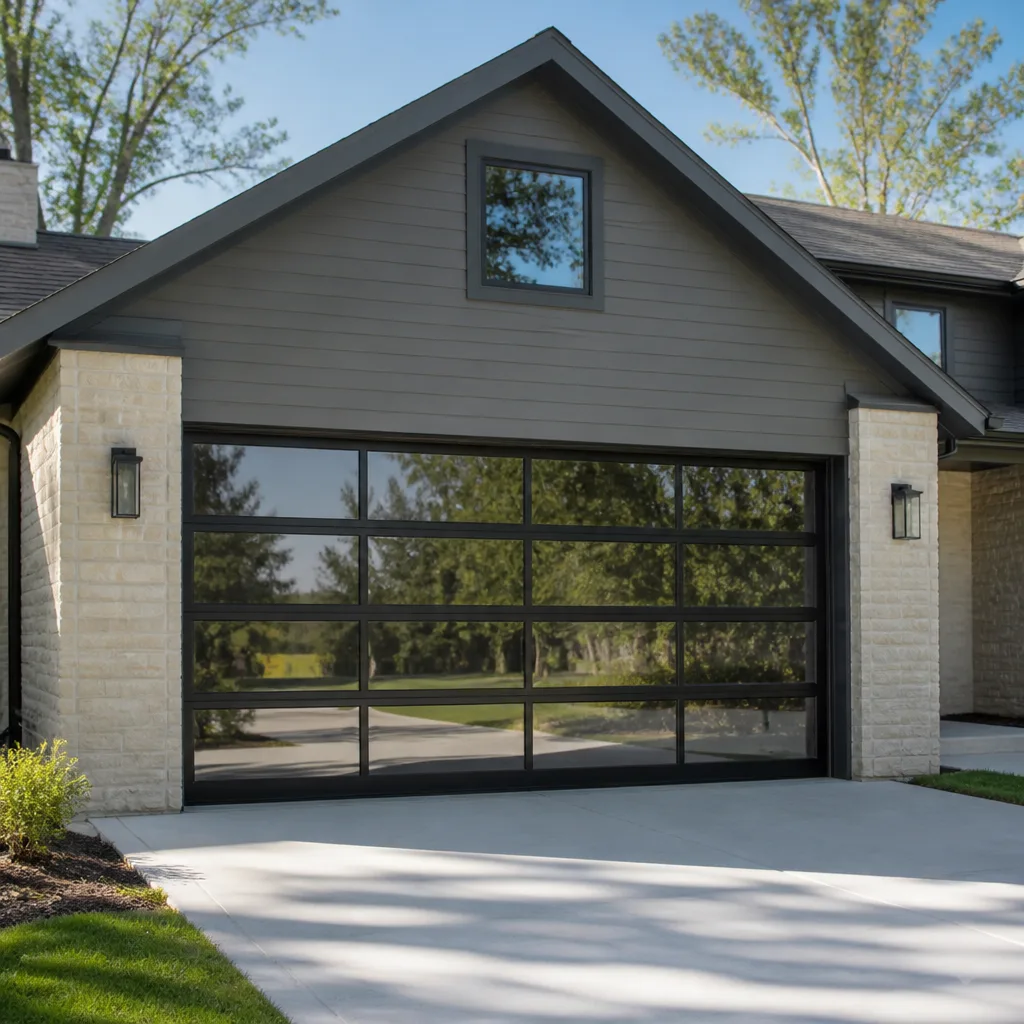 Full-view glass
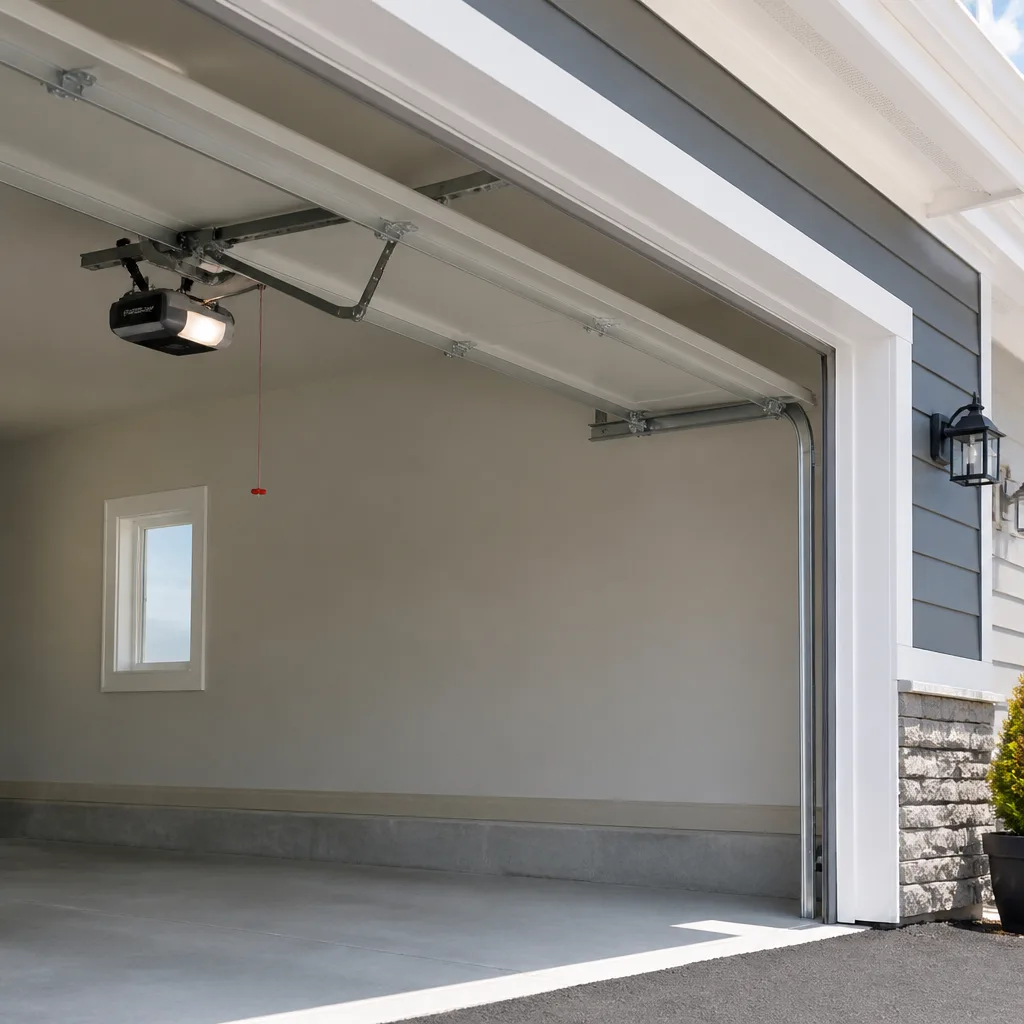 LiftMaster openers
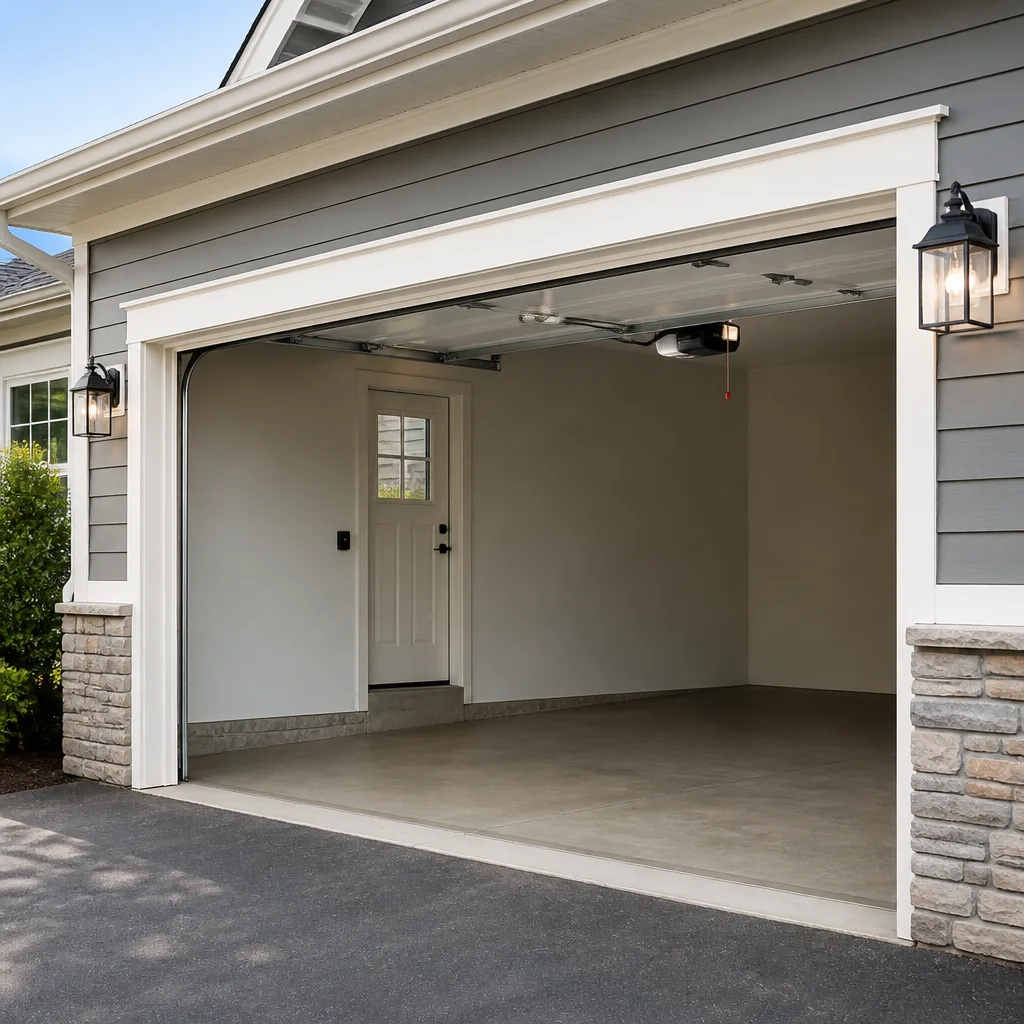 Chamberlain openers
Full 25-point door and opener safety check with every visit - springs, cables, rollers, tracks, and your LiftMaster or Chamberlain opener included
You get a price before we start. It does not change when the pro arrives.
Get your free estimateGarage Door Emergency Preparedness Guide for Lake Worth Beach Homes
Most Lake Worth Beach homeowners assume a garage door emergency means hurricane damage. In our experience, that’s rarely what generates the urgent call. The far more common scenario is quieter and more ordinary: a torsion spring snaps on an ordinary Tuesday morning, or a power outage leaves someone standing in the driveway with a door that won’t budge and no memory of where that red release cord is. These everyday failures trap cars, leave homes open, and put families in unsafe positions – and most households have never rehearsed what to do. This guide walks through both categories of emergency, gives you a real protocol for each, and shows you what to check before you ever touch the door. What you’ll find below applies directly to the weather, housing stock, and infrastructure realities we see across Lake Worth Beach.
Quick Answer
A garage door emergency in Lake Worth Beach falls into one of two categories: a hurricane-forced failure (wind damage, track deflection, a door that won’t latch after a storm) or a mechanical failure (broken spring, snapped cable, opener dead, door stuck open or closed). Hurricane failures need a post-storm inspection sequence before you re-energize the opener. Mechanical failures need you to leave the door alone and call a trained technician – especially if a torsion spring or cable is involved. Neither category is safe to troubleshoot on your own, and both are far easier to manage if you’ve planned ahead.
Styles & brands we work with
- Raised-panel steel
- Carriage house
- Modern flush
- Full-view glass
- LiftMaster openers
- Chamberlain openers
Table of Contents
- Why a Garage Door Emergency Plan Matters in Lake Worth Beach
- How Do You Manually Release a Garage Door Opener? Brand-by-Brand
- What Happens When a Torsion Spring Breaks Mid-Cycle?
- Pre-Storm Protocol: Wind-Rated vs. Non-Rated Doors
- Post-Storm Inspection Sequence Before You Re-Energize
- Emergency Triage: What Can Wait Until Morning?
- The Pre-Season Preparedness Checklist
- Common Mistakes to Avoid
Why a Garage Door Emergency Plan Matters in Lake Worth Beach
A garage door is the single largest moving object in most homes. It weighs between 100 and 400 pounds depending on construction, material, and width, and on a standard door it cycles open and closed thousands of times per year. The springs that offset that weight are under extreme tension every minute of the day, even when the door is closed. That’s why garage door spring and cable work is a specialist trade and not a DIY repair – the stored energy in a wound torsion spring can cause serious injury if released improperly.
Lake Worth Beach sits in a part of South Florida where tropical systems and strong thunderstorms are a seasonal reality. That means a garage door here isn’t just a convenience – it’s also the largest opening in the building envelope. When the door is compromised by wind or by a mechanical failure, the home’s security and weather-tightness go with it. Homeowners in the historic neighborhoods near downtown Lake Worth Beach, and property managers handling rentals in the surrounding blocks, both tell us the same thing: they’ve never thought about a plan until something fails.
The problem we see most is a knowledge gap, not a hardware gap. Most Lake Worth Beach homes we service have a functioning manual release, a functioning opener, and a functioning spring system – right up until they don’t. The difference between a two-hour inconvenience and a two-day security problem is usually whether someone knows where the release cord is and how to use it.
That’s what this guide is for. By the end, you’ll know exactly how to release five of the most common opener brands, what to do when a spring breaks, how to prep a door before a named storm, how to inspect a door after one, and how to decide whether an emergency needs a same-night call or can wait until morning.
How Do You Manually Release a Garage Door Opener? Brand-by-Brand
The manual release on every residential garage door opener is a red cord or a red handle that disconnects the door from the opener’s carriage. When you pull it, the door travels on its tracks freely, and you can lift it by hand. It sounds simple – until you’re standing in the dark trying to remember which way to pull and whether it works on your specific opener.
Here’s the general procedure, followed by what changes by brand:
- Make sure the door is fully closed (or fully open) before you pull the release. Pulling a release mid-travel can cause the door to drop.
- Locate the red release cord hanging from the trolley on the opener rail. On most brands, it’s within arm’s reach of the door’s top edge.
- Pull down and slightly toward the door – never toward the opener motor.
- You’ll hear or feel a click as the trolley releases. The door is now disconnected.
- Lift the door by hand to test it. If it feels heavy or won’t lift, stop and call a technician – something else has failed.
- To reconnect, close the door, pull the cord down, and cycle the opener once by remote.
Chamberlain and LiftMaster
These two share the same release design, since they’re part of the same manufacturing family. The red release cord hangs from the trolley carriage and pulls down cleanly. On smart models, you may also see a second release on the belt-drive trolley. Use the one attached to the carriage, not the tensioner. LiftMaster and Chamberlain both sell the smart panel accessories that require a separate troubleshooting step, but the mechanical release is identical.
Genie
Genie openers typically use a red T-handle release at the end of a knotted cord. It pulls straight down toward the door. Some older Genie models use a metal release lever that requires a firm, direct pull – don’t jiggle it, since the lever can bind if the trolley isn’t under load. If the door is mid-travel, lower it fully by hand first, then release.
Craftsman
Craftsman openers use a red cord or rope pull hanging from the trolley. On the older chain-drive Craftsman units, the cord may have been replaced by a metal lever over time. If you have a lever-style Craftsman release, pull it firmly toward the floor. The re-engage procedure is the same – close the door and cycle once.
Linear
Linear openers use a red release cord at the trolley. On Linear chain-drive units, the release lever sits slightly higher than on belt-drive models, so if you’re shorter than the trolley rail, you’ll want a step stool. Don’t try to reach it by climbing on the door – that’s a fall risk.
In our experience, more than half the homeowners we visit during Lake Worth Beach emergency garage door calls have never tested their manual release. That’s the most fixable problem in this guide. Test it once – with the door closed – every six months, and you’ll know yours works when you actually need it.
What Happens When a Torsion Spring Breaks Mid-Cycle?
When a torsion spring breaks, it doesn’t snap silently and putter out – it lets go loudly, often with a gunshot-like crack, and the door drops several inches to a foot before the safety system catches it. If the opener is running when it happens, the opener’s safety reverse usually stops the door. If the door is on its way down when the spring fails, it can slam with enough force to damage the bottom panel and possibly injure anyone underneath.
Here’s what to do if it happens to you:
- Stand clear. Don’t reach for the door or attempt to lift it. The door is now unsupported by the spring, which means the full weight is on the cables and the tracks – both of which are under stress.
- Unplug the opener. The opener motor is trying to lift a door it can’t lift, and continuing to cycle it will burn out the motor or snap a cable.
- Leave the door alone until a technician arrives. It will sit partially open or partially closed depending on where the break happened. That’s safer than forcing it.
- Secure the door if it’s stuck open. If the door failed in the up position and your home is exposed, use a C-clamp on the track just below a roller to prevent it from dropping further – only if you can do so safely. If the door is stuck closed, it’s a security and weather exposure problem, not a safety problem, and it can wait until morning.
- Call a spring repair technician. Torsion spring work is one of the highest-skill jobs in the trade, and it’s also the most dangerous to attempt without training. A wound spring stores hundreds of pounds of energy; if you don’t know what you’re doing, don’t do it. Our team handles this as standard work – see garage door spring repair.
Never try to operate a door with a broken spring “just once” to see if it works. The opener can lift the door against the spring, but only barely – and each cycle puts enormous strain on the cables, the hinges, and the opener gear. We’ve seen doors where a homeowner forced the opener a dozen times after a spring break, and the result was a snapped cable and a bent top section that turned a spring repair into a full door replacement.
Pre-Storm Protocol: Wind-Rated vs. Non-Rated Doors
Before a named storm, a garage door needs two things: a working manual release and, if the door is not wind-rated, extra bracing. In Lake Worth Beach, we see both types – newer construction with rated doors and older homes with standard doors that have never had a brace kit added.
For a wind-rated door, the pre-storm prep is simpler:
- Engage the manual locking mechanism if the door has one. Wind-rated doors built with a slide or latch lock should have it engaged before a storm – the lock helps the door resist pressure from inside the opening.
- Confirm the door closes fully with no gaps at the top and sides.
- If you have a garage door opener, disconnect the door from the opener by pulling the manual release. Rated doors are often designed to be secured separately from the opener carriage, and the manufacturer’s instructions will say so.
- Look for any existing damage – a bent panel, a loose hinge, a track that’s out of alignment. Damage doesn’t self-heal in wind; it gets worse.
For a door without a hurricane rating, you need to add bracing. A horizontal brace bar – sometimes called a wind bar or a strut – is a metal reinforcement that mounts across the top or bottom panel and prevents the panel from bowing inward under pressure. On a standard door, adding a brace bar is the single most important pre-storm step you can take, and it doesn’t require replacing the door. Many Lake Worth Beach homes have a garage door that’s structurally sound but under-reinforced for storm exposure, and a brace kit is the difference between a door that holds and a door that folds.
If your door isn’t rated and you don’t have a brace bar, we recommend scheduling a measure and install before storm season – not as the storm is approaching. Lead times on brace kits vary, and the day before a named storm is the wrong day to start the job.
Post-Storm Inspection Sequence Before You Re-Energize
After any extended power outage or wind event, don’t just flip the breaker and hit the remote. The opener can hide damage that a visual check will catch, and the door can fail unexpectedly on the first cycle. Run this inspection sequence before you re-energize anything:
- Visual check of the door panels. Look for dents, buckling, panel separation, or a sagging top section. A panel that’s bent out of shape will bind as it travels.
- Track alignment. Run your hand (gloved) along both vertical tracks and the horizontal rails. Any bend, kink, or gap where the rollers can escape means the door shouldn’t be operated.
- Cable inspection. Look at the cables running along the sides of the door. A frayed, slack, or clearly off-spool cable is a red flag – don’t run the door. Cables are under tension and can whip if they fail.
- Spring check. Look at the torsion spring on the wall above the door. If you can see a visible gap or a separated coil, the spring is broken. Don’t cycle the door.
- Hardware tension. Check the hinges and roller brackets by hand. Loose brackets should be tightened before the door runs; a bracket that’s loose will wear the track as the door travels.
- Manual release test (door closed). With the opener disengaged, lift the door by hand. It should rise smoothly and stay up when you let go at mid-height. If it sinks or feels heavy, the springs need attention before you re-engage the opener.
- Reconnect and single-cycle. Re-engage the trolley, then run the door through one full open-close cycle while watching it. If it binds, reverses unexpectedly, or makes a new noise, stop and call a technician.
For Lake Worth Beach homes that lost power for days after a tropical system, this post-storm sequence is the part most people skip. In our experience, that skipped sequence is where most post-storm opener and cable failures come from. The door came through the storm fine, but the first power cycle found a weakened cable or a slightly misaligned track that had been sitting there unnoticed.
Emergency Triage: What Can Wait Until Morning?
Not every garage door emergency is a call-now emergency, and knowing the difference saves you money without compromising safety. Here’s how we triage garage door calls:
Call tonight (same-night service)
- Door stuck open and the home is exposed. A security gap overnight in a Lake Worth Beach home is a real risk; a technician can secure the door or bring it to a closed position.
- Door partially down with the bottom panel still hanging by the tracks. This is a safety hazard to anyone walking past, and it can drop further.
- A vehicle is trapped inside and someone needs to leave. Usually, the manual release solves this without a service call – but if the release fails, we treat it as urgent.
- A door that’s actively trying to cycle and can’t stop. This is rare but dangerous; cut power to the opener and call.
Call in the morning
- Door stuck closed with a vehicle inside and no urgent departure. Security is intact, so this can wait for a scheduled repair.
- Opener not responding but manual release works. That’s a garage door opener repair, not an emergency.
- Broken spring with the door in the closed position. The door isn’t going anywhere. Leave it and call for spring repair in the morning.
- Strange noise, uneven travel, or a remote that only works sometimes. These are diagnostic issues, not emergencies.
Emergency garage door repair is a genuine core offering for us, not a premium upgrade. When the door won’t close at night or won’t open in the morning, we’re structured to respond. Whether it won’t open or won’t close, it’s worth a call to talk through the situation – we’ll tell you honestly whether it needs a technician tonight or can wait.
The Pre-Season Preparedness Checklist
The best time to plan for a garage door emergency is before you have one. Run through this list twice a year – at the start of storm season and again at the holidays.
- Locate and label your manual release. Tie a short bright ribbon to the red cord so you can find it in the dark.
- Test the release. With the door closed, pull the release, lift the door by hand, then re-engage. Do this once every six months.
- Note your opener brand and model. Write it on a sticker on the wall next to the opener or snap a photo of the label. When something fails, knowing whether it’s a LiftMaster or a Chamberlain saves diagnostic time.
- Check door balance. With the door disconnected, lift it halfway and let go. A balanced door stays put; a door that sinks means springs are weakening.
- Inspect weatherstripping and seals. A door that doesn’t seal fully is a door that lets wind and water in during storms.
- Confirm brace bars are installed if your door isn’t wind-rated.
- Photograph the inside of the garage before storm season. If anything fails or shifts, you’ll have a reference for how the door and tracks looked before the storm.
- Keep a flashlight and step stool within reach of the opener. Both are needed for the release on taller door openings.
Our technicians have up to 15 years of experience, and across those years we’ve seen just about every variation of a Lake Worth Beach emergency garage door call. The ones that go smoothly are almost always the ones where the homeowner had planned ahead.
Common Mistakes to Avoid
- Pulling the manual release while the door is mid-travel. The door can drop hard. Always release with the door fully closed, or fully open and supported.
- Forcing the opener to run with a broken spring. Each cycle loads the cables and hinges far beyond what they’re designed to handle, and what started as a spring repair becomes a full panel or door replacement.
- Climbing on the door to reach the opener rail. A falls risk on any door, and a serious one if the door is already unstable. Get a step stool.
- Assuming a non-rated door is fine because it “feels strong.” In Lake Worth Beach, an unbraced door that’s never seen a named storm in its current condition is still under-prepared. A horizontal brace bar is a modest upgrade that meaningfully changes how a door performs in wind.
- Skipping the post-storm inspection because the door “looked okay.” The first power cycle after a storm is where weakened cables and misaligned tracks reveal themselves. Do the sequence before you hit the remote.
- Treating every e-mail, text, or phone call about a “broken door” as a same-night emergency. A door stuck closed with the house secure isn’t urgent. A door stuck open is. Knowing the difference keeps service costs reasonable and keeps urgent jobs moving.
- Not knowing your opener brand. A Craftsman and a Raynor aren’t the same system, and the exact hardware on your door matters to the diagnosis. Write down the brand and model; it makes every repair faster.
See the difference
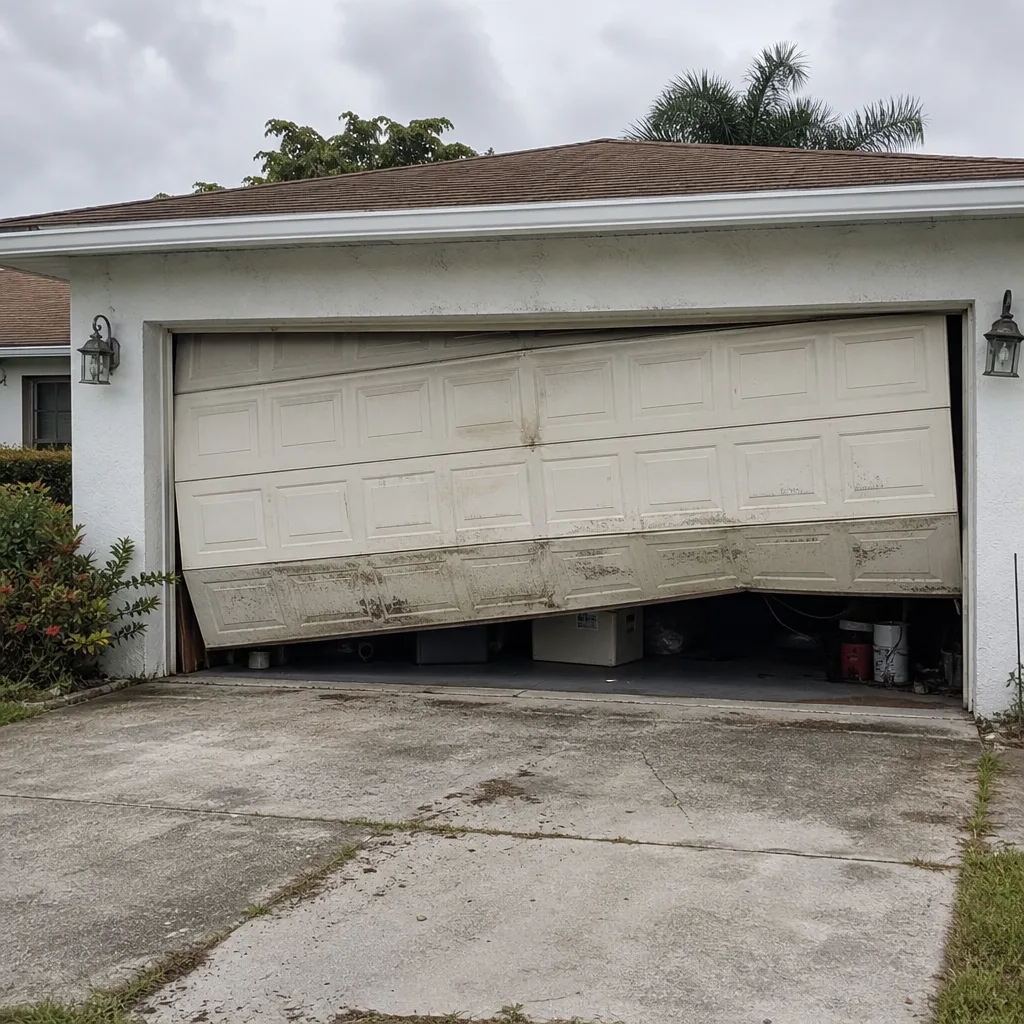 Before
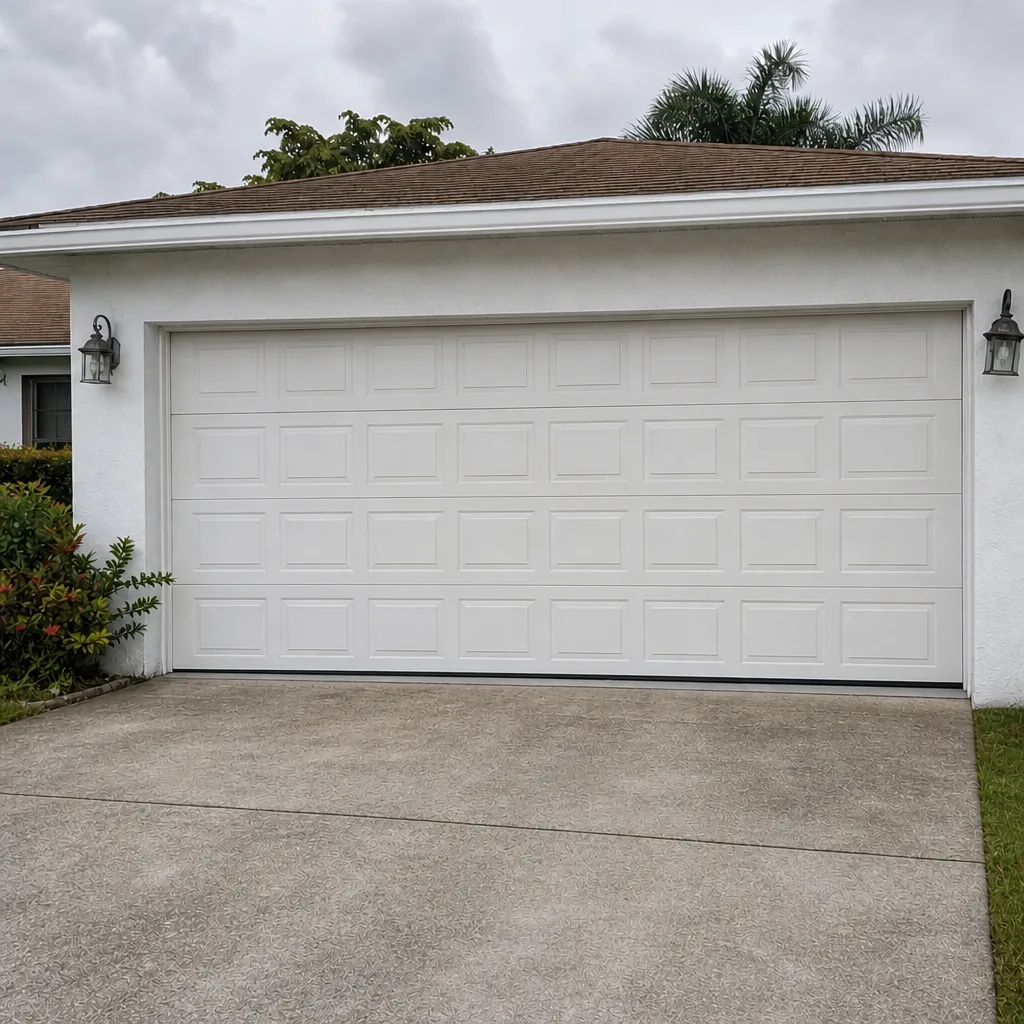 After
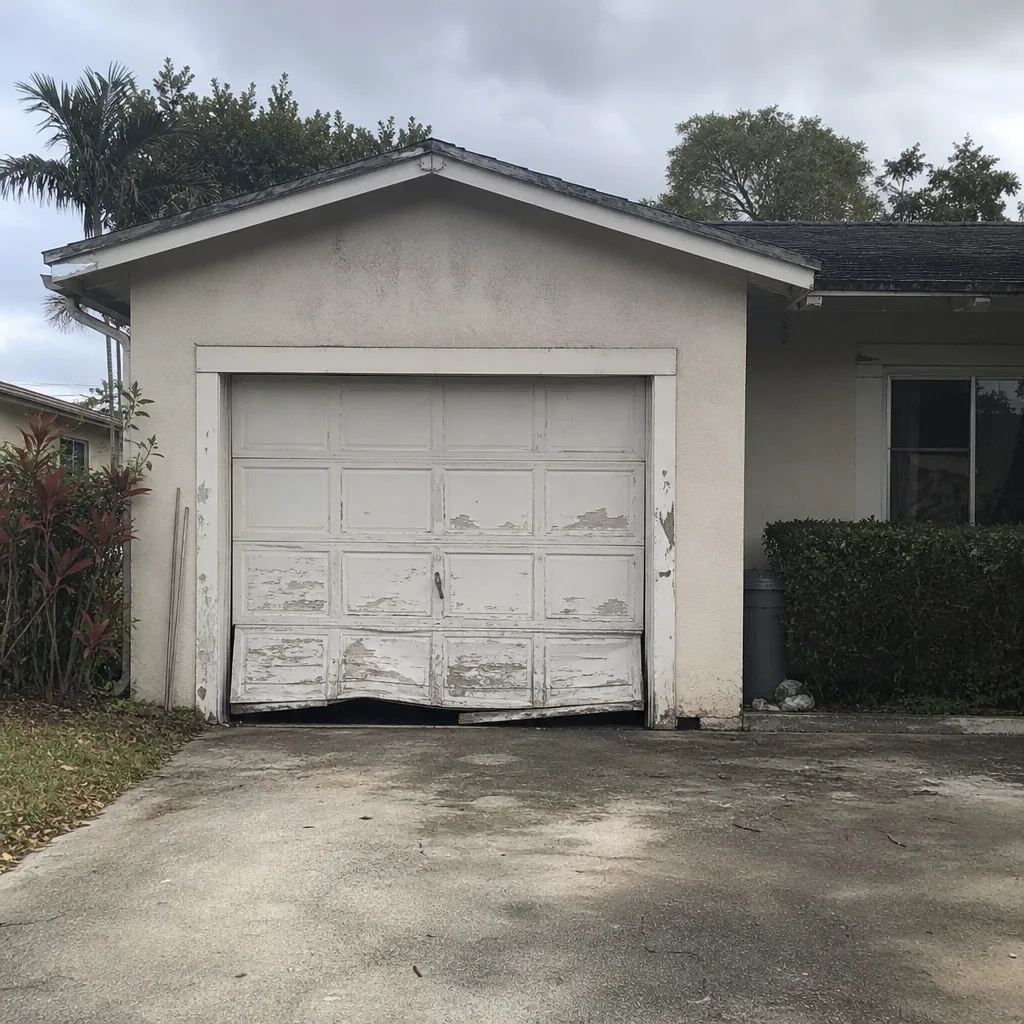 Before
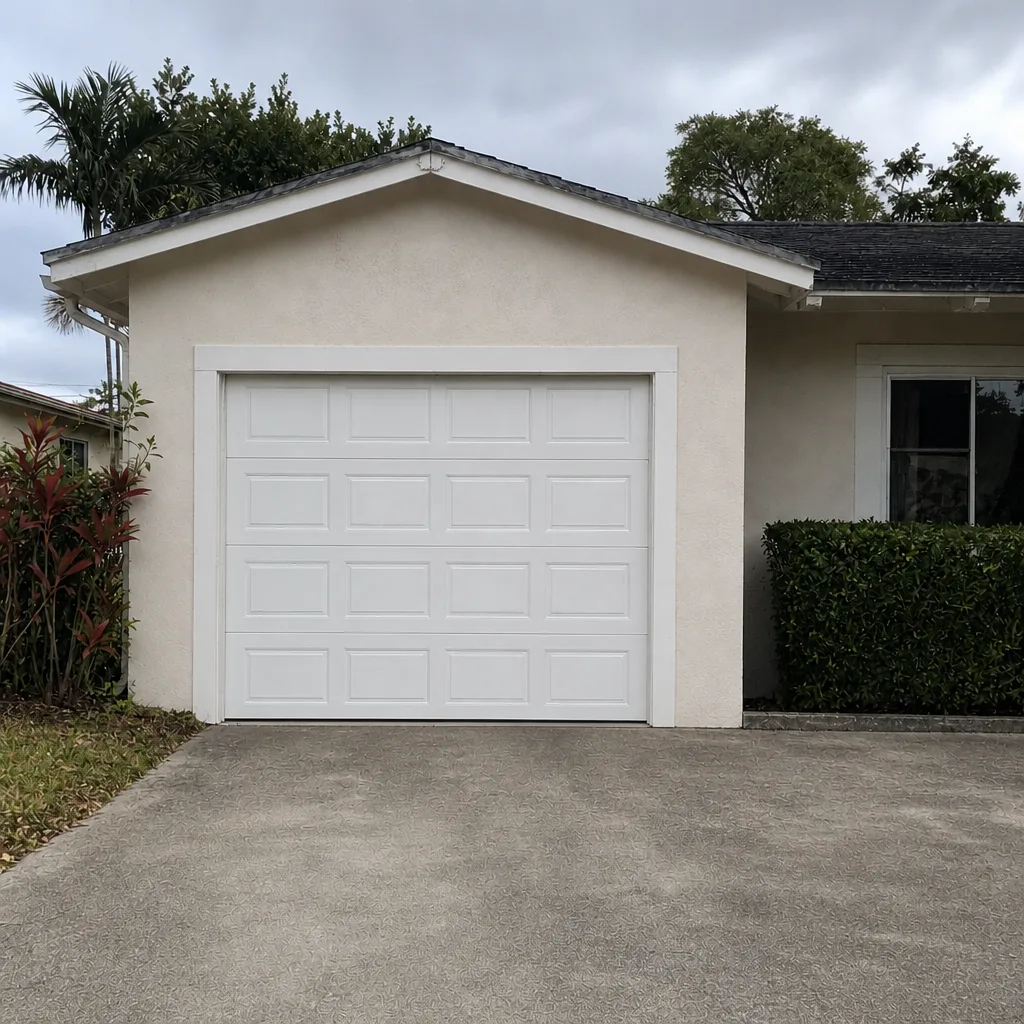 After
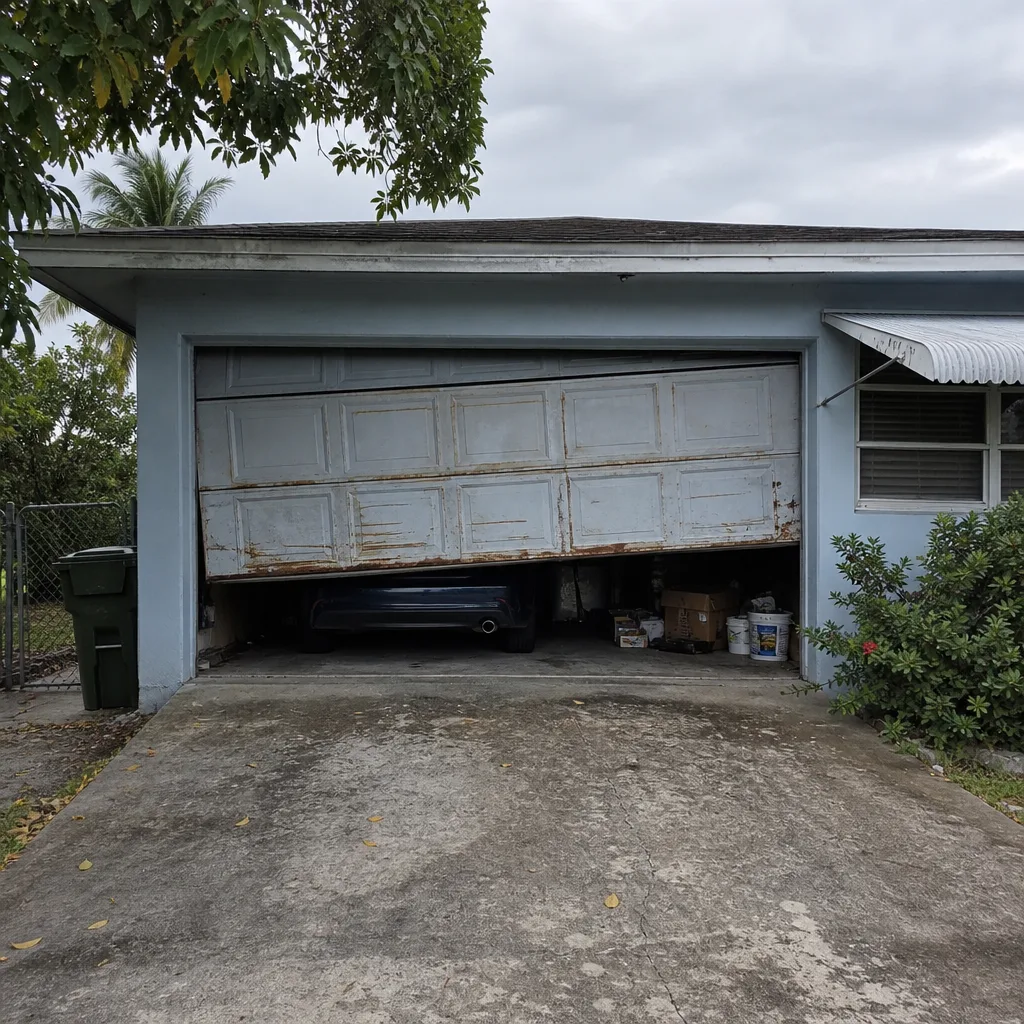 Before
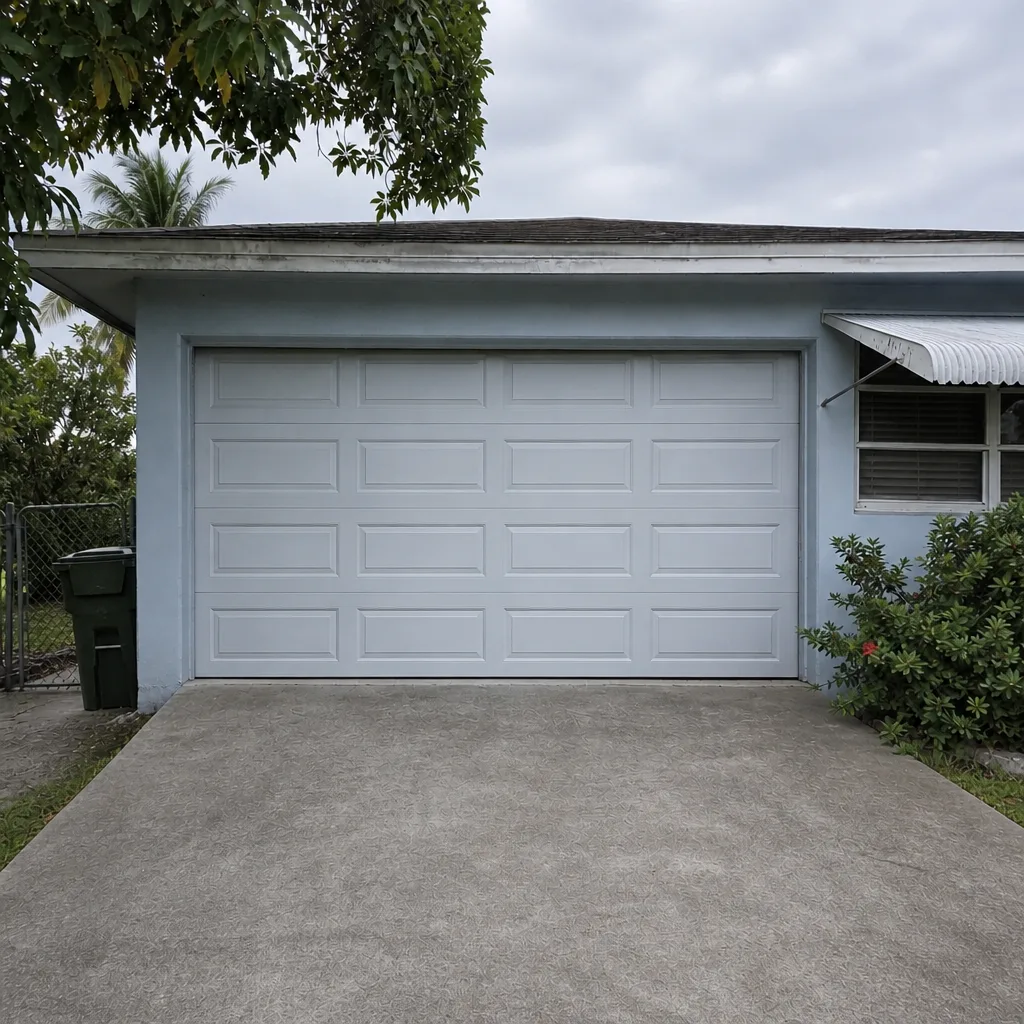 After
When to Call a Professional
Call a professional for anything involving a torsion spring, a cable, a door that won’t travel smoothly, or a post-storm door that doesn’t close fully. Those are the jobs where the risk of injury or additional damage is real. Leave a broken spring alone, don’t force a door that’s off its track, and don’t try to “see if the opener can handle it” after a spring break. For a door that’s stuck open overnight, or any failure that leaves the home unsecured, that’s a genuine emergency call. Garage Door Repair Lake Worth Beach offers free estimates in Lake Worth Beach – call (833) 756-5752. We cover garage door repair and handle the full system, springs, openers, and panels, so you’re not bounced between specialists. Whether it’s a garage door opener repair or a full new install, it’s one call from diagnosis through completion.
Frequently Asked Questions
Pull the red release cord hanging from the opener’s trolley toward the door, not toward the motor. Make sure the door is fully closed first, then pull firmly until you hear or feel a click, and lift the door by hand. On Genie and some older Craftsman models, the release may be a metal T-handle or lever instead of a cord; the pull direction is the same. Test the release once every six months so you know it works before you need it.
Stop operating the door, unplug the opener, and call a spring repair technician. A broken torsion spring means the door is being held up only by the cables and tracks, and running the opener can snap a cable or damage the door. If the door is stuck open overnight, secure it or call for emergency service; if it’s stuck closed, it can wait until morning. Call (833) 756-5752 for a free estimate.
You don’t need to replace a non-rated door to protect your home – you can add a horizontal brace bar that reinforces the door against wind load. If you’re replacing the door anyway, a rated door is a worthwhile upgrade. Either way, engage any manual lock before a storm, and confirm the door seals fully with no gaps. Ask your city’s building department about any permit requirements for a door swap.
Yes, if it’s a genuine emergency – door stuck open, home unsecured, or a door that can’t be secured safely. Emergency garage door repair is a core offering, and we respond to overnight calls. If the door is stuck closed with the home secure, a morning appointment is fine and usually less expensive. Call and we’ll help you decide.
A hurricane-forced failure is wind damage – a bent panel, deflected track, or a door that no longer latches after a storm. A mechanical failure is a spring, cable, or opener issue that can happen on a calm day. They need different responses: mechanical failures mean stop and call a technician; hurricane failures mean run the post-storm inspection sequence before re-energizing the opener.
Every six months, and always before storm season. Testing takes under two minutes: pull the release with the door closed, lift the door by hand, then re-engage and run one cycle. In our experience, a large share of Lake Worth Beach homeowners have never tested their release, which is the single easiest way to turn a two-hour inconvenience into a two-day problem.
The Bottom Line
Two emergencies, two protocols. A mechanical failure – broken spring, snapped cable, dead opener – means stop the door and call a technician, because the stored energy in a torsion spring is genuinely dangerous to work around. A hurricane-forced failure means run the post-storm inspection sequence before you re-energize the opener. Both categories are far easier to handle if you’ve tested your manual release, know your opener brand, confirmed a brace bar is in place if your door isn’t wind-rated, and know the difference between a door that’s stuck closed and one that’s stuck open. That’s the whole plan, and it takes a couple of hours to set up. For the repairs themselves, our full scope covers the door panels, openers, and springs, and we work on Garage Door Repair Lake Worth Beach jobs from the smallest opener repair to a full installation. When you need us, call (833) 756-5752 for a free estimate.
Written by the team at Garage Door Repair Lake Worth Beach.